Ocean
7 Things You Didn’t Know About Octopus Communication
Octopuses are some of the ocean’s most enigmatic and intelligent creatures. Their ability to communicate without sound—through color changes, body language, and even light—is both fascinating and eerily advanced. Here are 7 surprising insights into how octopuses exchange information beneath the waves.
Octopuses are some of the ocean’s most enigmatic and intelligent creatures. Their ability to communicate without sound—through color changes, body language, and even light—is both fascinating and eerily advanced. Here are 7 surprising insights into how octopuses exchange information beneath the waves.
Want to know more about octopuses and see a video? Click here.
#1: Color Changes as Emotional Language

Octopuses have specialized skin cells called chromatophores that can change color almost instantly. They use this to express emotions such as anger, fear, or curiosity—much like an advanced mood barometer. For example, when an octopus is frightened, it can turn jet black to signal defense.
![]()
Read also:
#2: The Role of Skin Texture
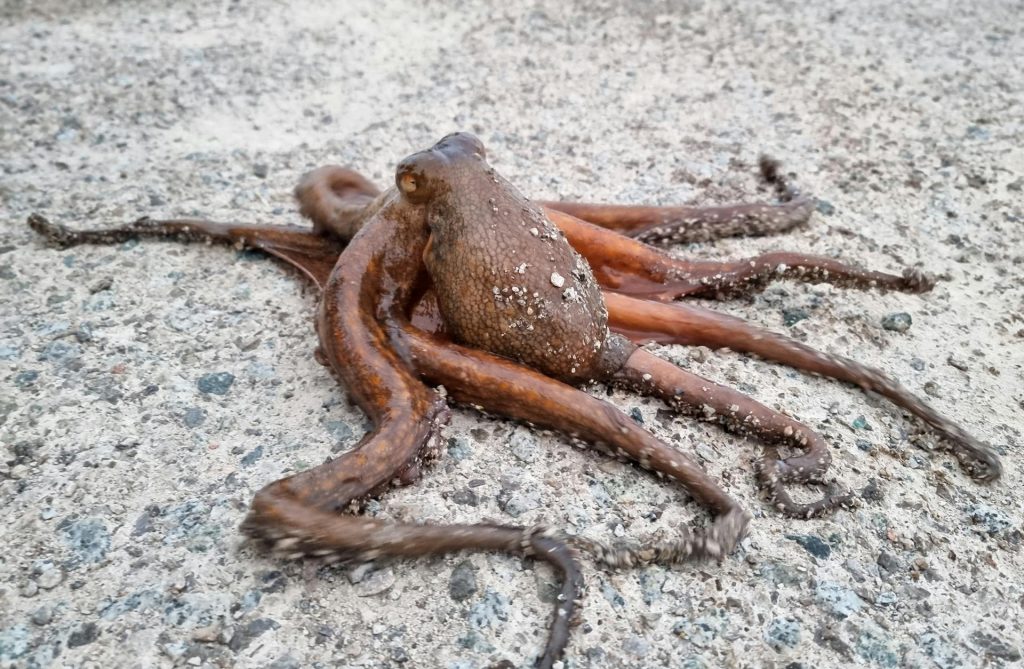
Beyond color changes, octopuses can also alter the texture of their skin to mimic corals, rocks, or predators. This ability is not just for camouflage—it also serves as a visual message to other octopuses: “I’m not to be messed with” or “I’m trying to hide—no assistance needed.”
#3: Flashing Lights in the Deep Sea
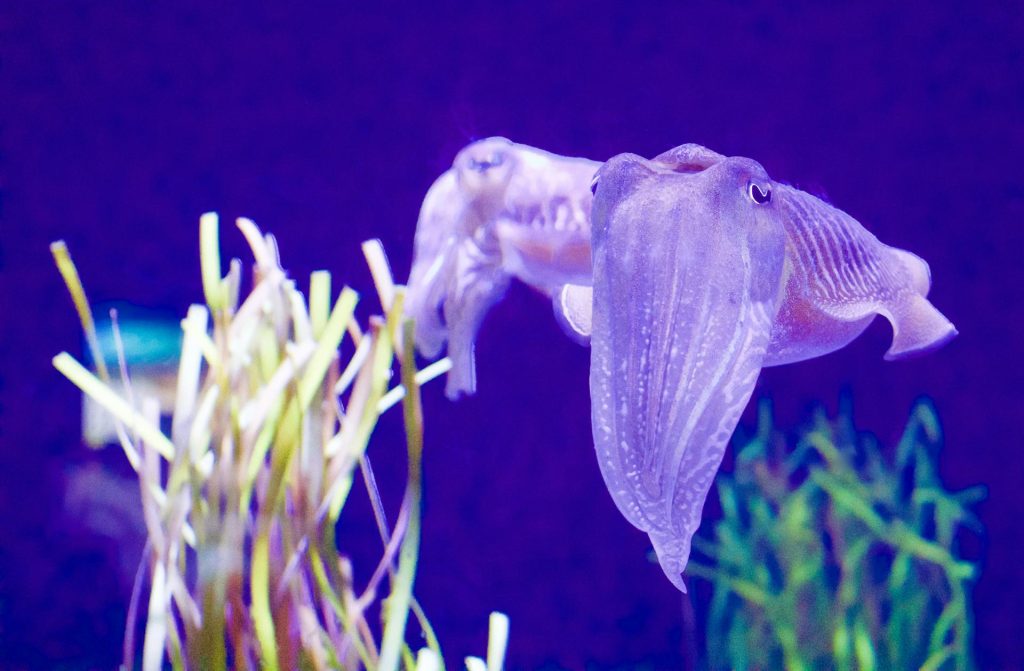
Some species, especially in the deep sea, possess bioluminescence—they can produce their own light. This is used to send flashing signals to conspecifics, often as mating calls or warnings. Each flash sequence has its own “language,” much like Morse code.
#4: Tentacles as Gestures

Octopus arms are incredibly flexible and sensitive—and they are used as gesturing communication tools. A particular arm movement pattern can mean “follow me,” while another can warn of nearby enemies. It’s reminiscent of sign language—just underwater and with eight arms.
#5: Communication During Hunts
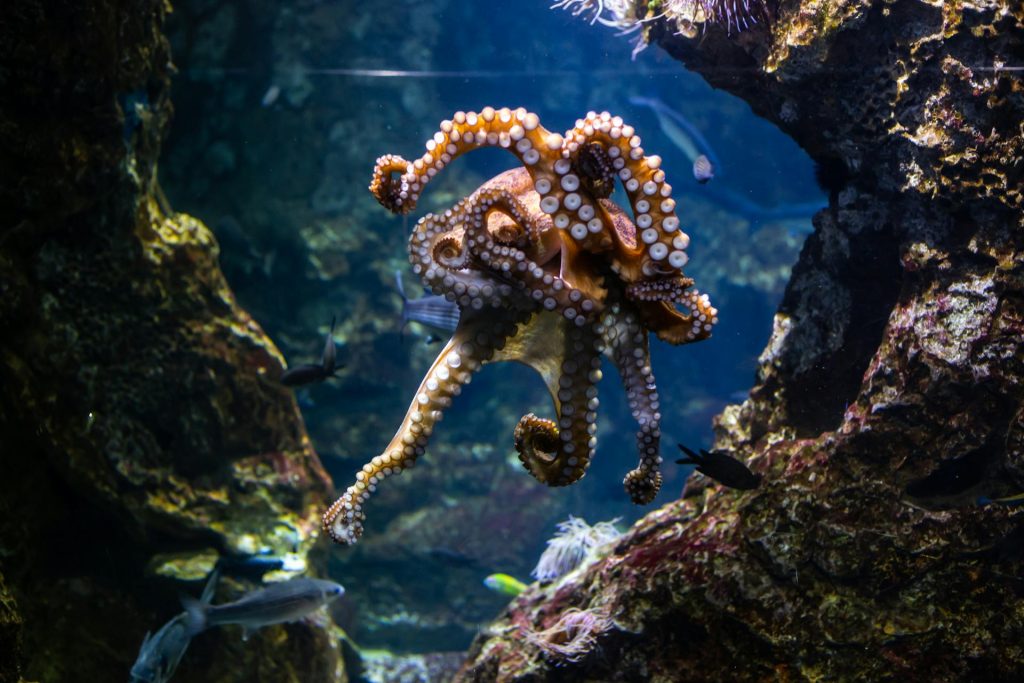
When octopuses hunt in groups, they coordinate their movements through color signals and positioning. One octopus might change to a certain color to signal “go left,” while another changes shape to indicate an ambush. It’s an impressive example of nonverbal strategy.
#6: They Can “Talk” to Other Species

Although octopuses primarily communicate with each other, observations have shown that they can send visual signals to fish they hunt with. This allows them to collaborate with entirely different species, something rarely seen in the animal kingdom.
#7: Each Species Has Its Own “Dialect”

Not all octopuses communicate in the same way. Each species has its own way of using colors, lights, and movements. This means that two octopuses from different species can face each other and “talk past” one another—much like humans with different languages.
Want to know more about octopuses and see a video? Click here.
Our team may have used AI to assist in the creation of this content, which has been reviewed by our editors.
![]()
Read also: