other
The 10 Most Dangerous Animals in Australia – From Poisonous Creatures to Deadly Predators
Australia is known for its beautiful beaches, unique landscapes, and wildlife – but also for being home to some of the world’s most dangerous creatures. In this top 10 list, we delve into the deadliest animals you can encounter ‘Down Under’. The list begins with the least dangerous (but still dangerous) and ends with the most lethal animal in Australia.
 Depositphotos
Australia is famous for its stunning beaches, unique landscapes, and remarkable wildlife — but it’s also notorious for hosting some of the world’s most dangerous creatures. In this top 10 list, we explore the deadliest animals you might encounter ‘Down Under’. The countdown starts with the least deadly (though still dangerous) and ends with the most lethal animal in Australia.
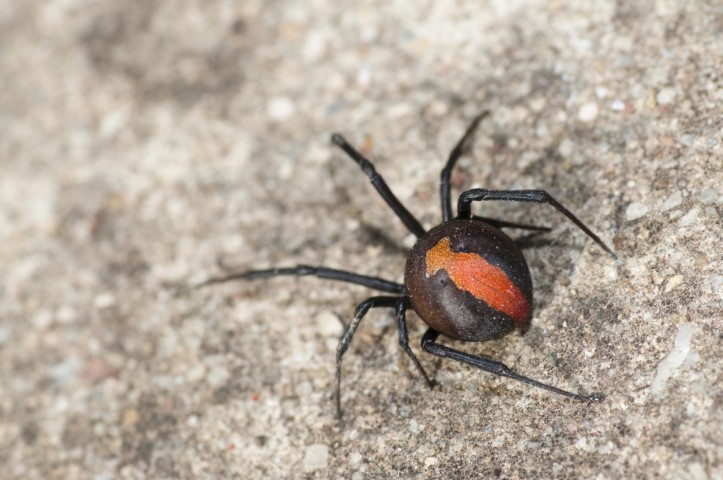
#10: The Redback Spider
 Depositphotos
Though it resembles a small black ball with a red stripe, the redback spider is notorious for its extremely painful bite. Closely related to the black widow, it is commonly found in backyards and beneath garden furniture. While rarely fatal today thanks to antivenom, its bite can still cause severe and distressing symptoms.
![]()
Read also:
#9: The Saltwater Crocodile
 Depositphotos.com
This enormous reptile can grow up to seven meters long and is found in rivers and coastal regions of Northern Australia. The saltwater crocodile is both lightning-fast and highly aggressive, with numerous fatal attacks on record. It strikes without warning and is a master of camouflage in the water.
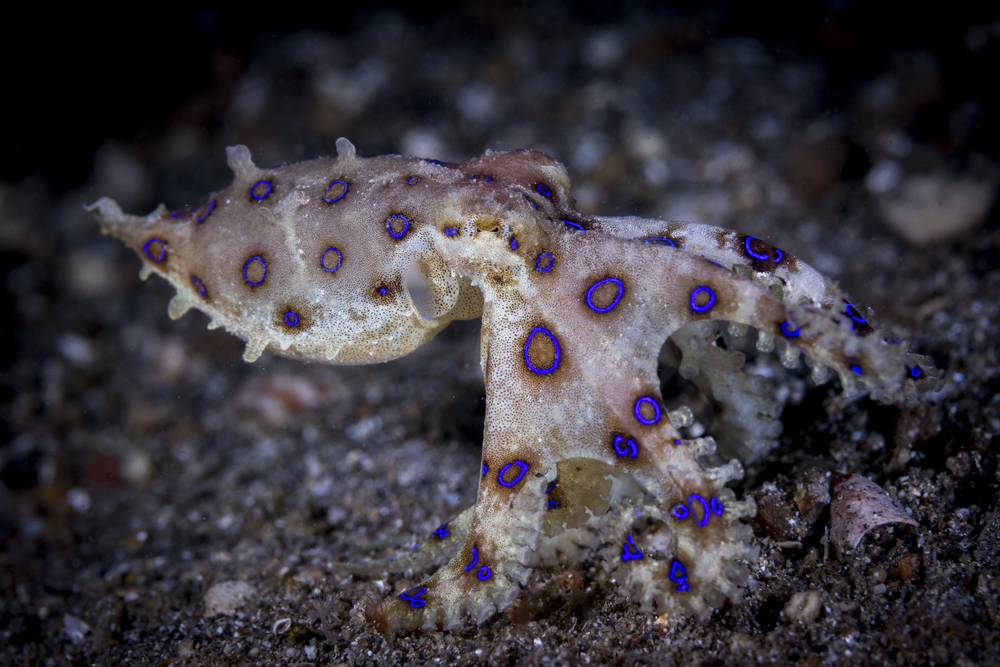
#8: The Blue-Ringed Octopus
 Depositphotos
This small, colorful octopus is no larger than a golf ball, yet its venom is powerful enough to kill a human. It’s difficult to spot and delivers a painless bite — which makes it especially dangerous. Symptoms often appear only after a delay, when it may already be too late.
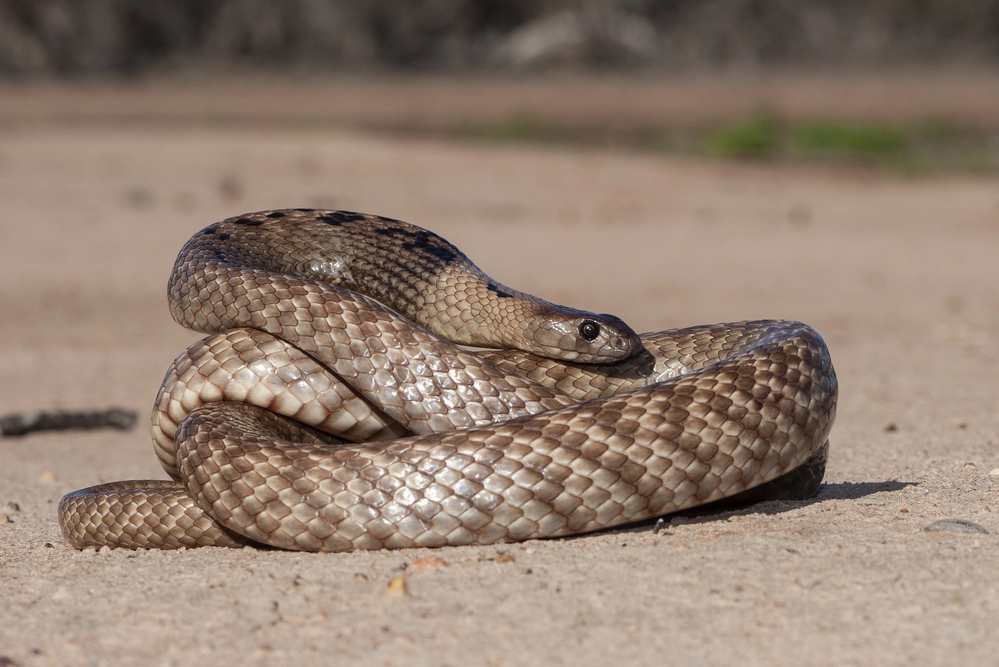
#7: The Brown Snake
 Depositphotos
The eastern brown snake is among the most venomous snakes in the world and is responsible for more snakebite fatalities in Australia than any other species. It is frequently encountered near farms and suburban areas, and can become extremely aggressive when threatened.
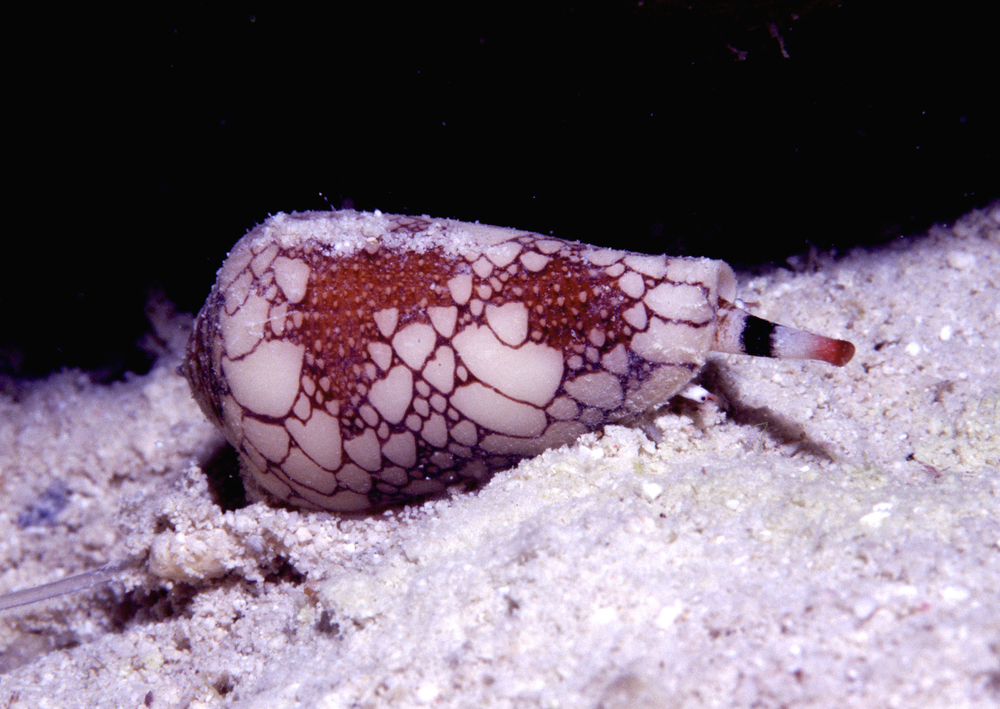
#6: The Cone Snail
 Depositphotos
This beautiful, cone-shaped marine snail harbors a needle-like barb capable of piercing wetsuits. Its venom paralyzes muscles and breathing — and there is no antivenom. While its colorful shell attracts collectors, the cone snail is a deadly danger in disguise.
#5: The Sydney Funnel-Web Spider
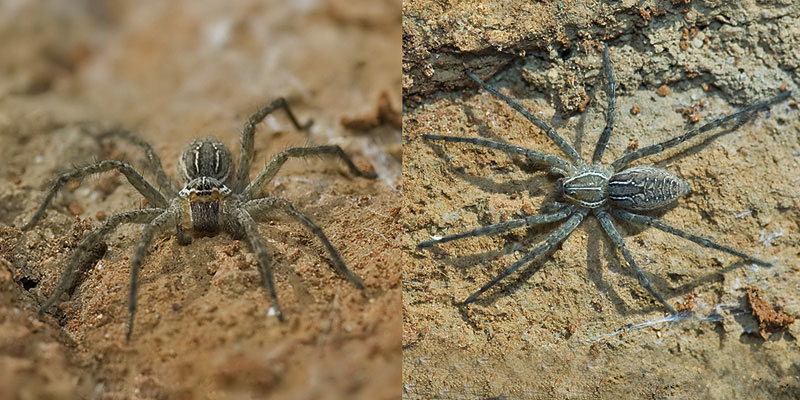 Vijay Cavale, CC BY-SA 3.0 via Wikimedia Commons
One of the most feared spiders in Australia, this black arachnid hides in moist, sheltered areas and can unexpectedly appear inside homes. Its venom acts quickly, targeting the nervous system. Before the development of antivenom, fatal bites were not uncommon.
#4: The Box Jellyfish
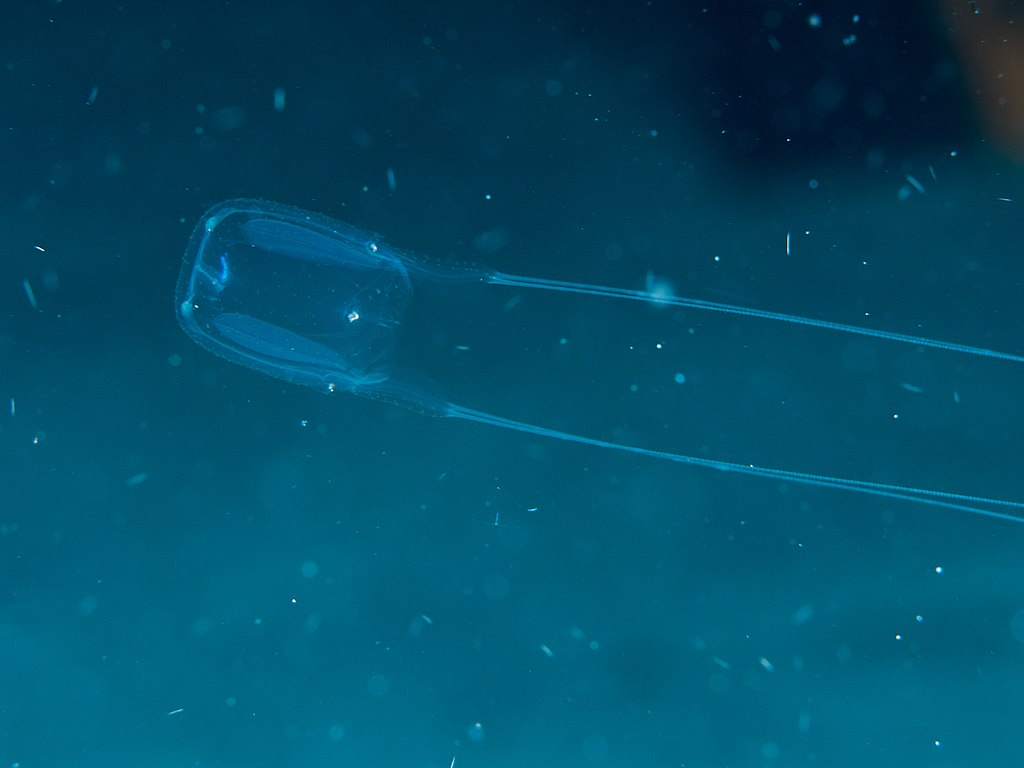 Rickard Zerpe, CC BY 2.0 via Wikimedia Commons
Nearly invisible in the water, this jellyfish is among the most venomous marine creatures on Earth. Its tentacles can extend for several meters, delivering venom that causes excruciating pain, cardiac arrest, and death within minutes. Found in the tropical waters of Northern Australia, it has claimed multiple lives.
#3: The Taipan Snake
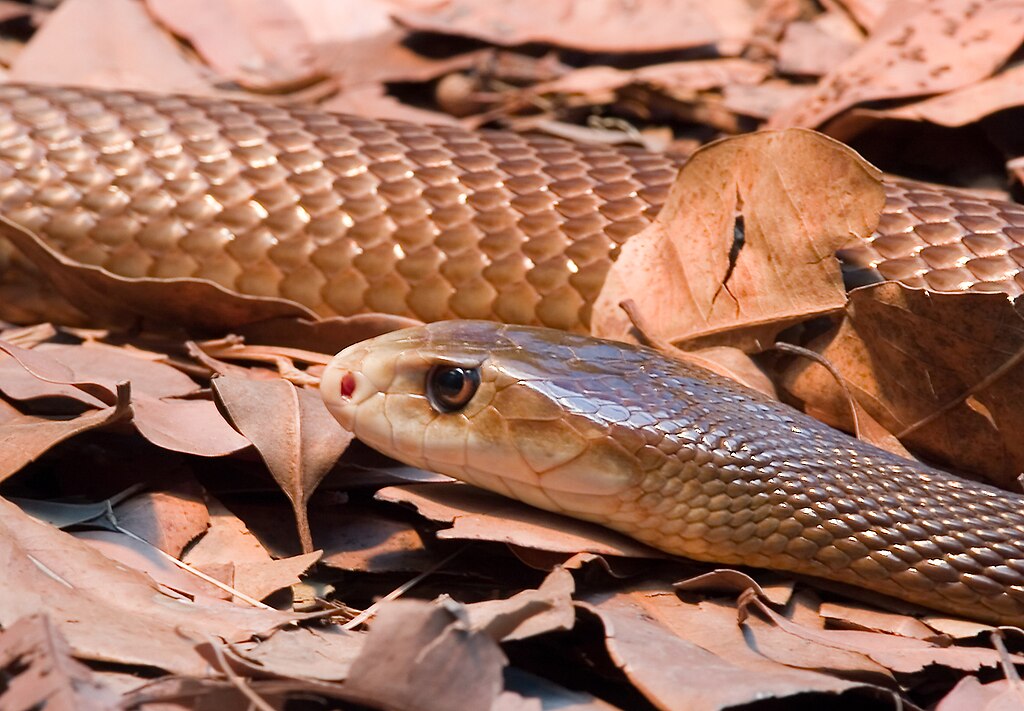 Sheba_Also 43,000 photos, CC BY-SA 2.0 via Wikimedia Commons
The inland taipan, often referred to as the “fierce snake,” is the most venomous snake in the world. A single bite contains enough venom to kill more than 100 humans. Fortunately, it is extremely shy and inhabits remote regions, making encounters rare — but potentially deadly.
#2: The Stonefish
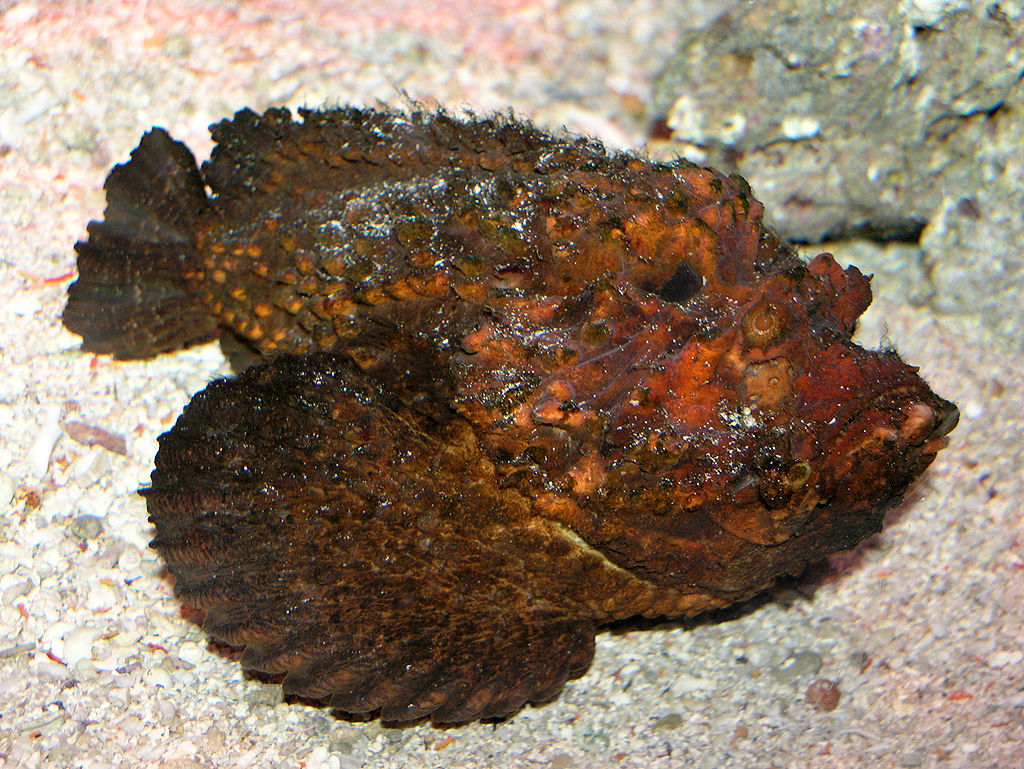 SeanMack, CC BY-SA 3.0 via Wikimedia Commons
The stonefish is the most venomous fish in the world and closely resembles a harmless rock on the seabed. Stepping on one can trigger the injection of a potent neurotoxin through its dorsal spines. The pain is often described as “unbearable,” and without prompt treatment, the sting can be fatal.
#1: The Irukandji Jellyfish
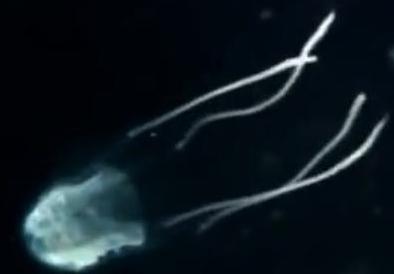 vForgerz, CC BY-SA 3.0 via Wikimedia Commons
The most dangerous animal in Australia measures just a few centimeters: the Irukandji jellyfish. Nearly invisible in the water, it delivers venom that causes Irukandji syndrome — a condition marked by excruciating pain, muscle cramps, vomiting, and, in some cases, cardiac arrest. There is no cure; treatment focuses solely on pain management and intensive monitoring.
Our team may have used AI to assist in the creation of this content, which has been reviewed by our editors.
![]()
Read also: