Meet these masters of disguise
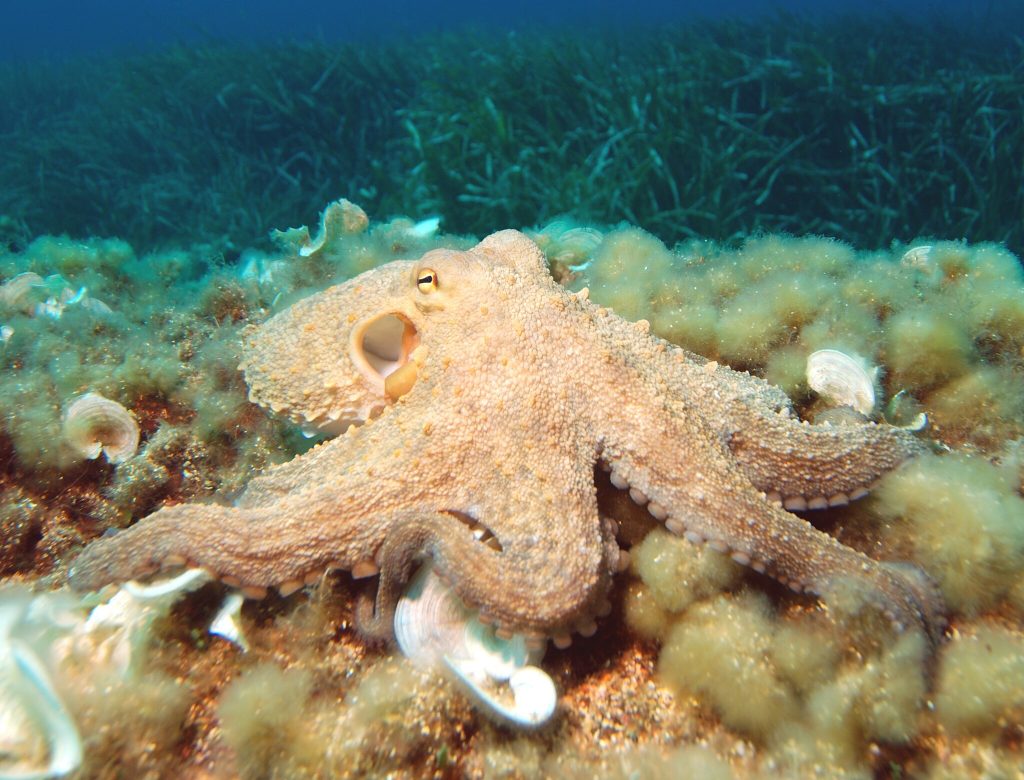 Photo Wikimedia Commons
The octopus is the ultimate shapeshifter of the ocean. With specialized skin cells called chromatophores, they can instantly change color and texture to blend into their surroundings. Whether it’s mimicking coral, rocks, or even venomous animals, their camouflage is so precise that they can become nearly invisible to predators and prey.
![]()
Read also:
Smarter Than You Think
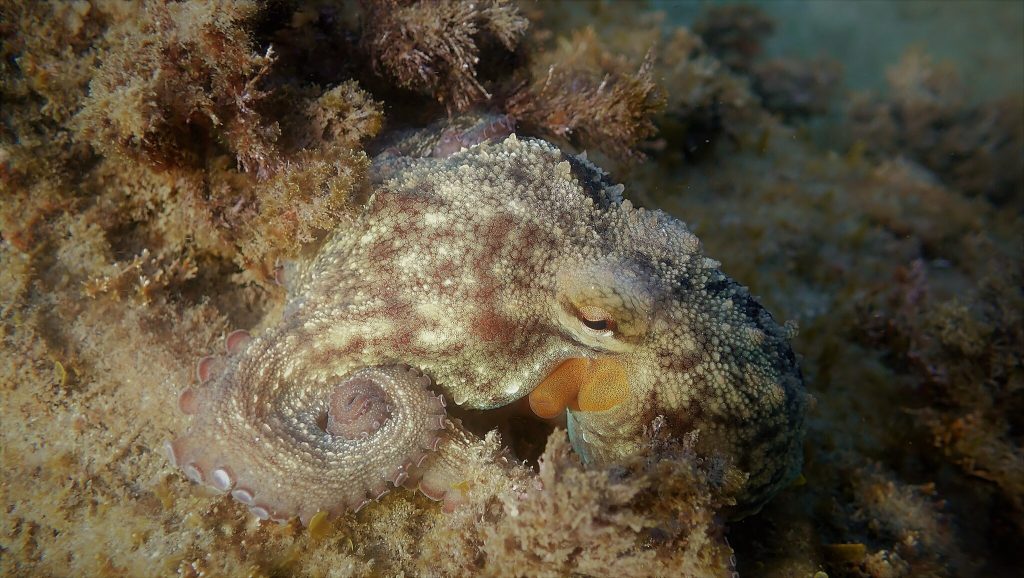 Photo Wikimedia Commons
Octopuses are among the most intelligent creatures in the animal kingdom. Their problem-solving abilities, tool use, and escape artistry rival that of some primates. Scientists have observed them solving puzzles, opening jars, and even learning by watching others—an impressive feat for an invertebrate with a brain structure unlike our own.
Three Hearts and Blue Blood
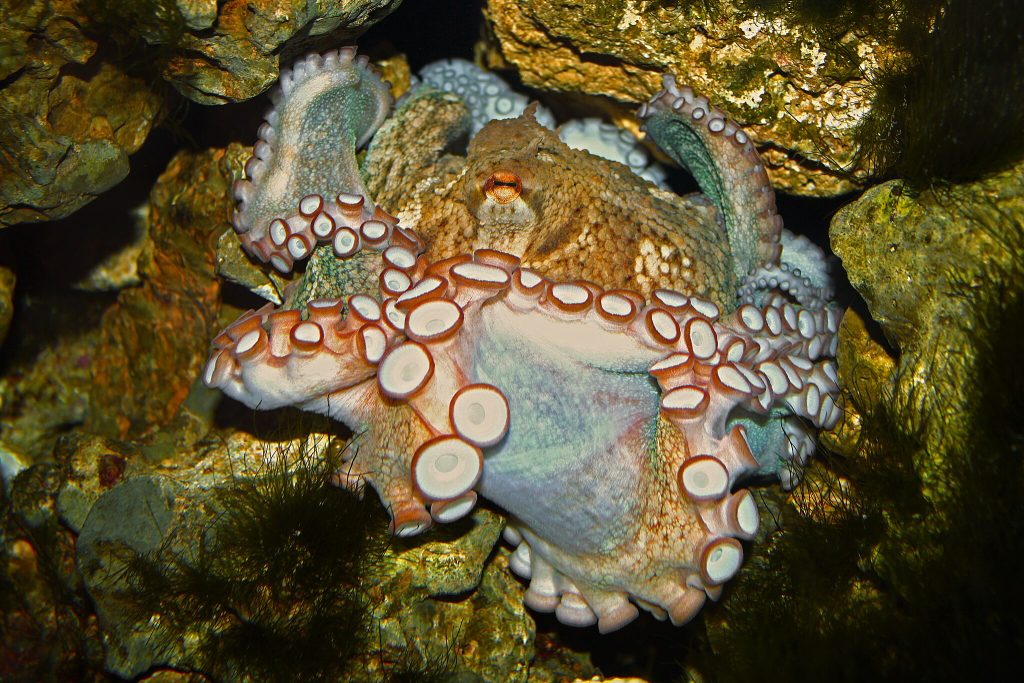 Photo Wikimedia Commons
Did you know octopuses have not one but three hearts? Two hearts pump blood to their gills, while the third circulates it to the rest of the body. Their blood is blue due to a copper-based molecule called hemocyanin, which is more efficient at transporting oxygen in cold, low-oxygen environments.
Arms With a Mind of Their Own
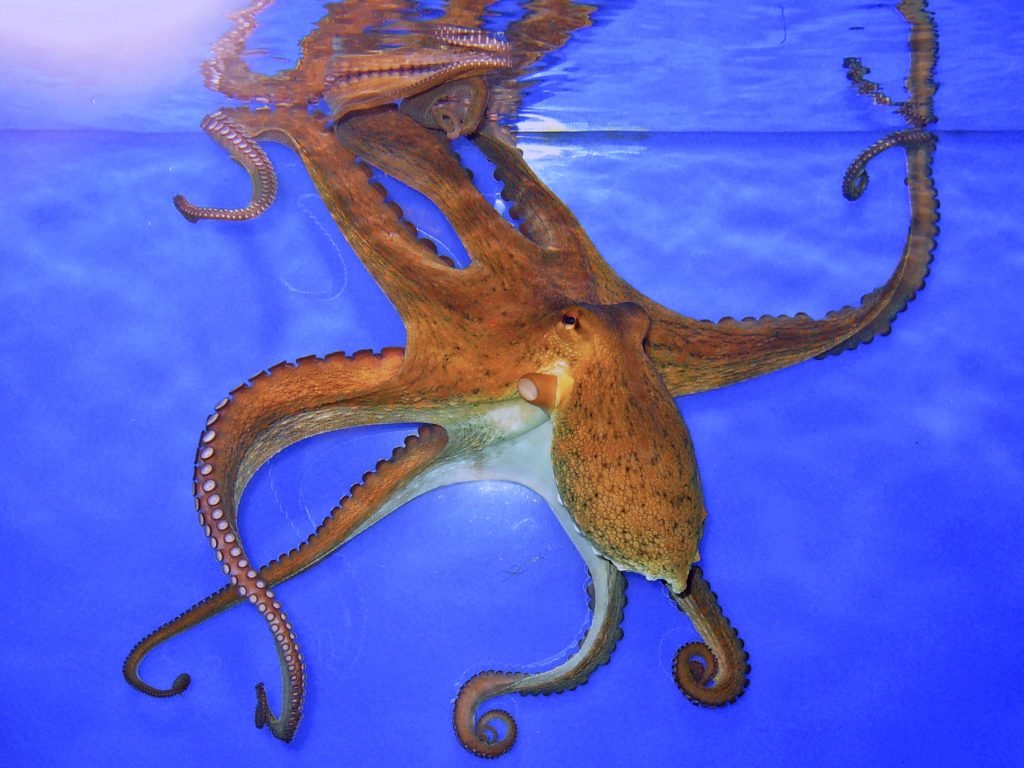 Photo Wikimedia Commons
An octopus’s arms are more than just limbs—they’re semi-independent brains. Each arm contains hundreds of suckers, capable of tasting and feeling the environment, and can even perform tasks without input from the central brain. This decentralization is part of what makes their movements so fluid and precise.
Escaping Artists
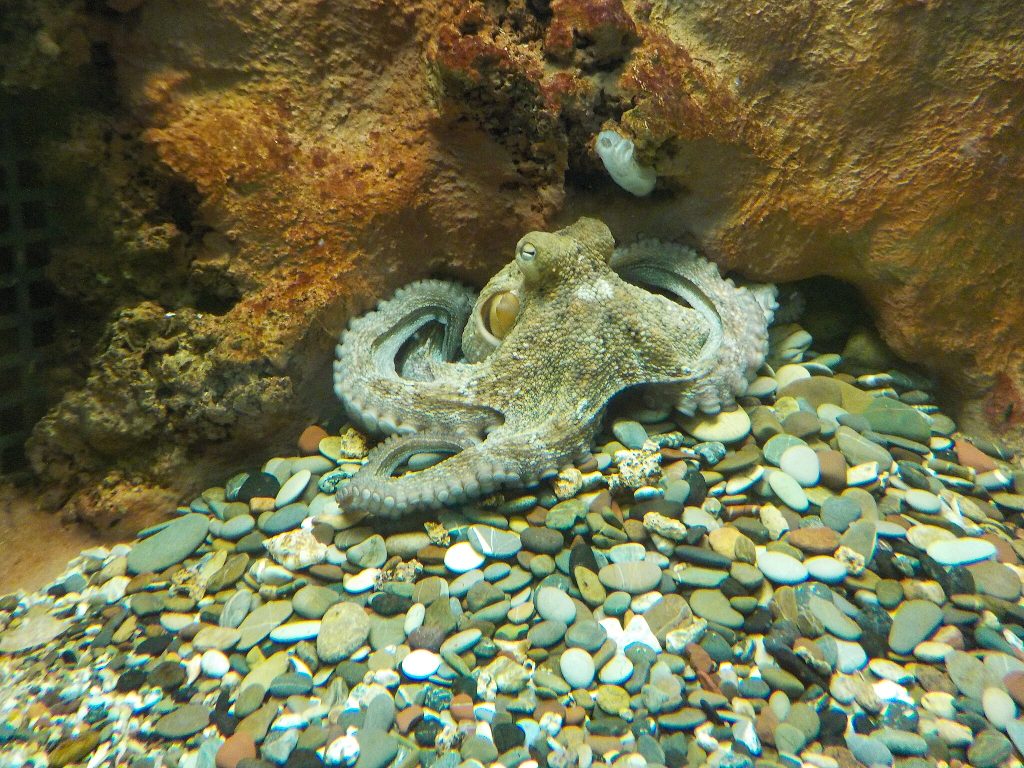 Photo Wikimedia Commons
When it comes to survival, octopuses are escape artists. With no rigid skeleton, they can squeeze through the smallest gaps, making even tight spaces and jars no challenge. Aquariums have often reported octopuses sneaking out of their tanks at night to hunt fish or explore, showcasing their ingenuity.
Short Lives, Big Impact
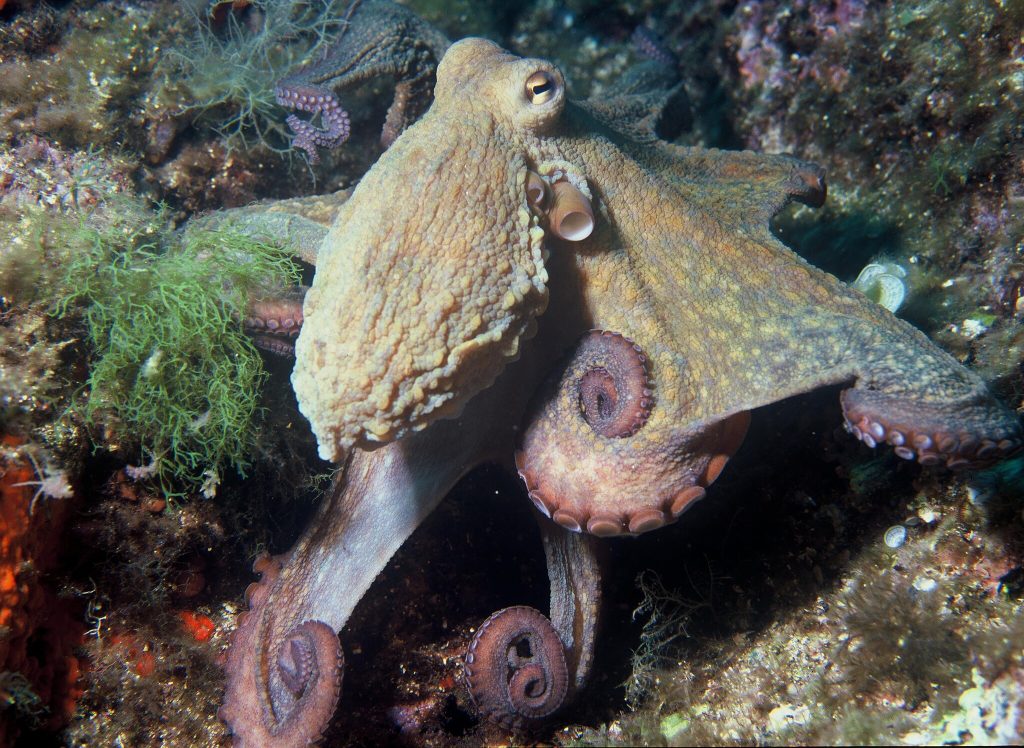 Photo Wikimedia Commons
Despite their intelligence, most octopus species live only 1-2 years. This short lifespan is due in part to their reproductive cycle, where females lay thousands of eggs and often die shortly after they hatch. In their brief lives, they play a vital role in marine ecosystems as both predators and prey.
Venomous But Not Deadly (to Us)
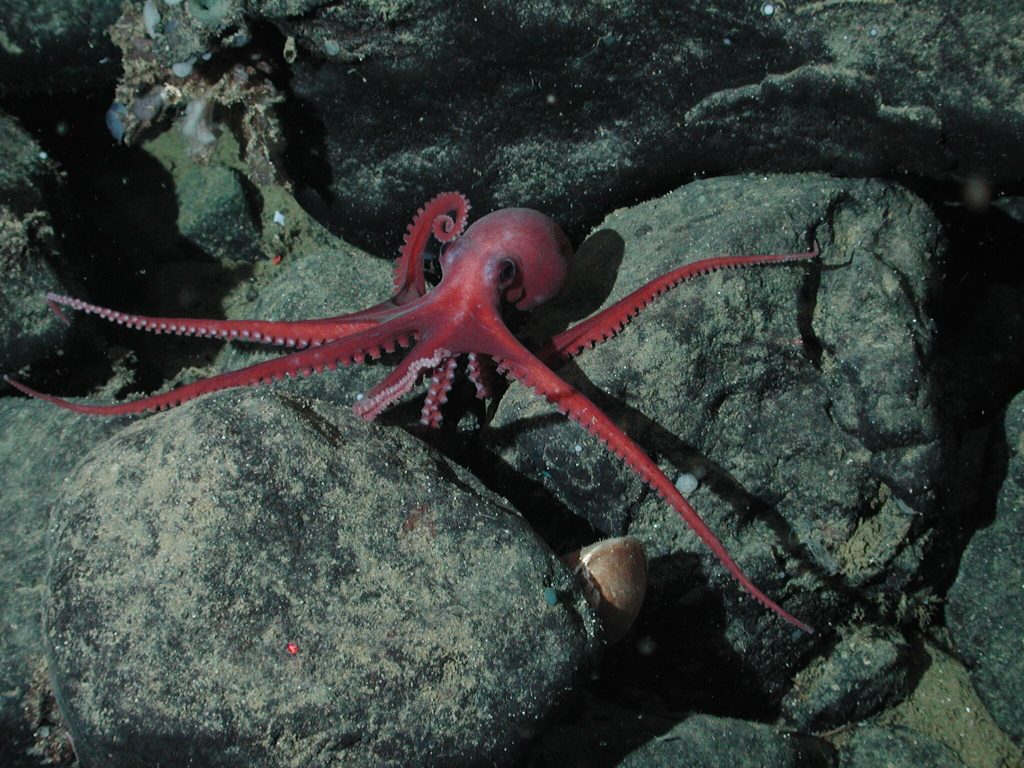 Photo Wikimedia Commons
While most octopuses are venomous, only the tiny blue-ringed octopus poses a significant threat to humans. Its venom can cause paralysis or even death, but attacks are rare. For other species, their venom helps immobilize prey like crabs and shrimp, ensuring they don’t escape from those powerful suckers.
The Great Mimics
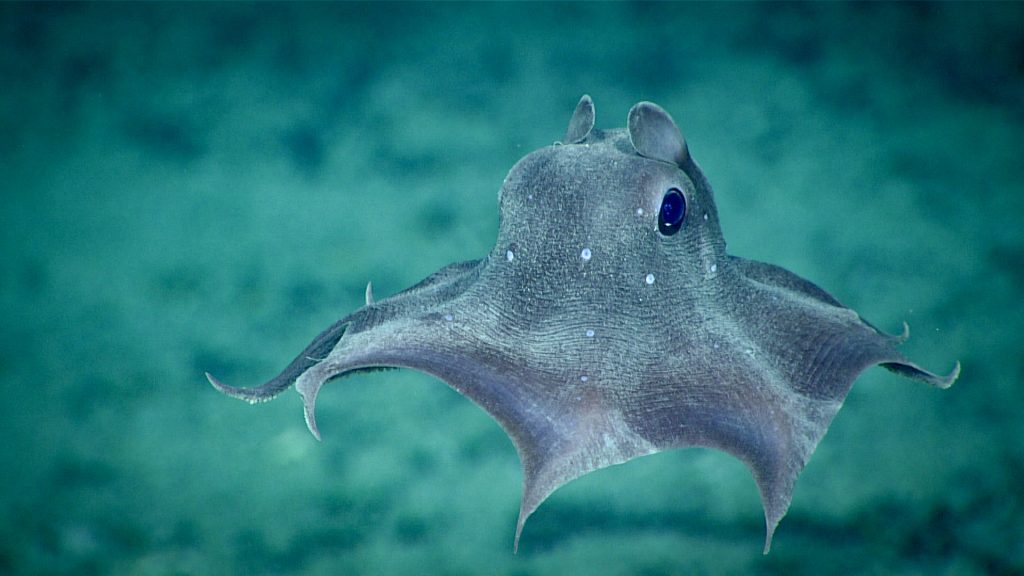 Photo Wikimedia Commons
Some octopuses, like the mimic octopus, take camouflage to the next level by imitating other sea creatures. They can contort their bodies to look like venomous fish, sea snakes, or jellyfish. This unique behavior confuses predators, making them think twice before attacking what might be dangerous prey.
Self-Defense, Octopus Style
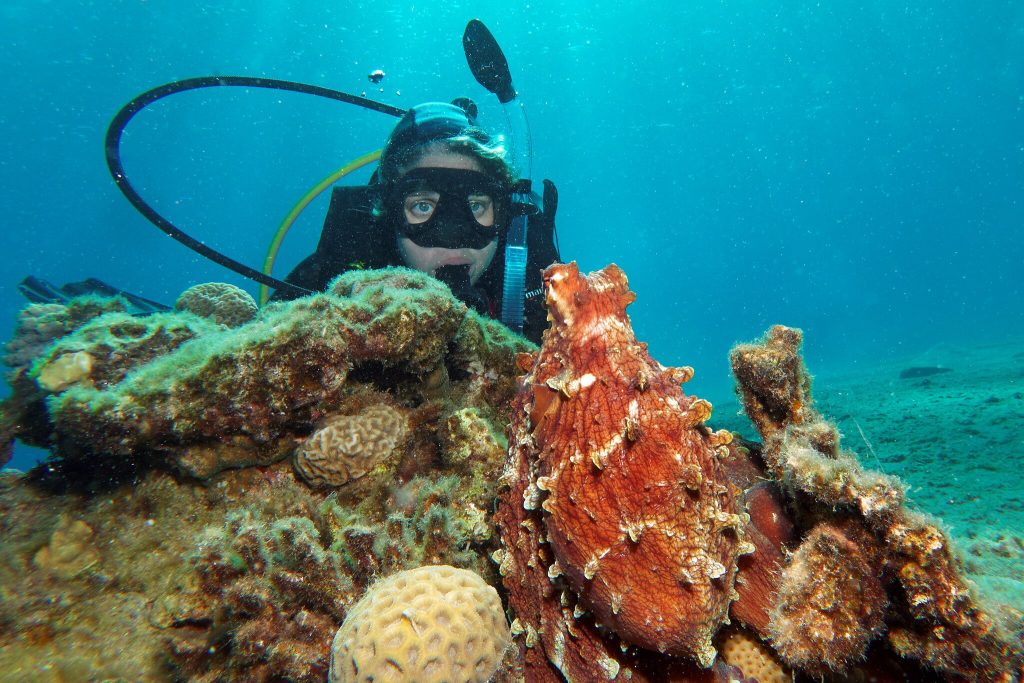 Photo Wikimedia Commons
When threatened, octopuses have several defense mechanisms. Beyond camouflage, they can eject a cloud of ink to obscure a predator’s vision and escape. Some species even sacrifice an arm, which continues to wriggle and distract the attacker while the octopus makes its getaway—a tactic called autotomy.
Evolutionary Marvels
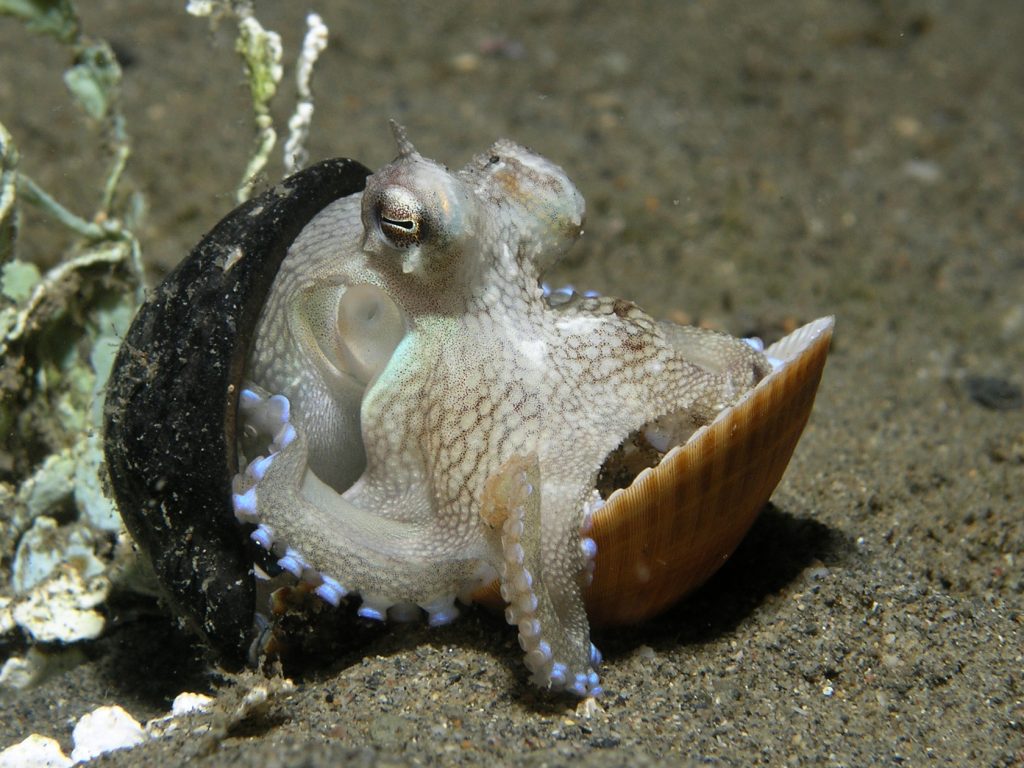 Photo Wikimedia Commons
Octopuses have existed for over 300 million years, predating dinosaurs. Their unique features, like their decentralized nervous system, complex eyes, and soft bodies, are a result of this long evolutionary history. They are a testament to nature’s ingenuity, thriving in diverse environments from coral reefs to deep-sea trenches.
Our team may have used AI to assist in the creation of this content, which has been reviewed by our editors.
![]()
Read also: