Gallery
10 Ways to Communicate Better with Your Pet
Det føles ofte, som om vores kæledyr forstår os – og det gør de faktisk! Men ægte kommunikation går begge veje. Hvis du vil styrke båndet til din hund, kat eller kanin, kræver det mere end kærlige ord. Her får du 10 enkle, men effektive tips til at forbedre jeres samspil – fra kropssprog og tonefald til opmærksomhed og nærvær. Små ændringer kan gøre en stor forskel.
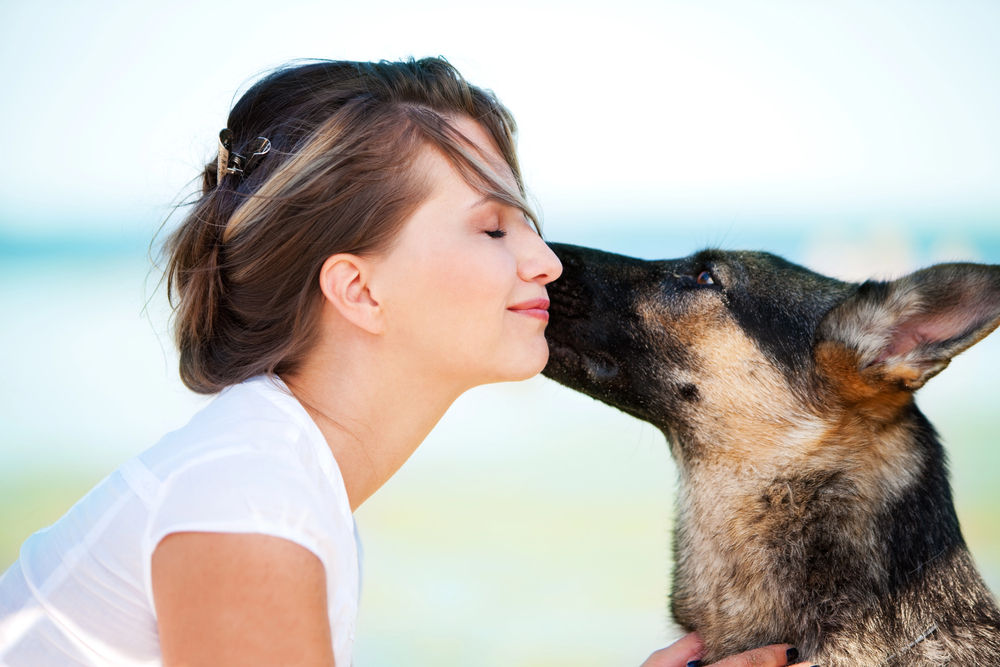
It often feels like our pets understand us – and they actually do! But real communication goes both ways. If you want to strengthen your bond with your dog, cat, or rabbit, it takes more than loving words. Here are 10 simple yet effective tips to improve your connection – from body language and tone of voice to attention and presence. Small changes can make a big difference.
Read Their Body Language
 Depositphotos
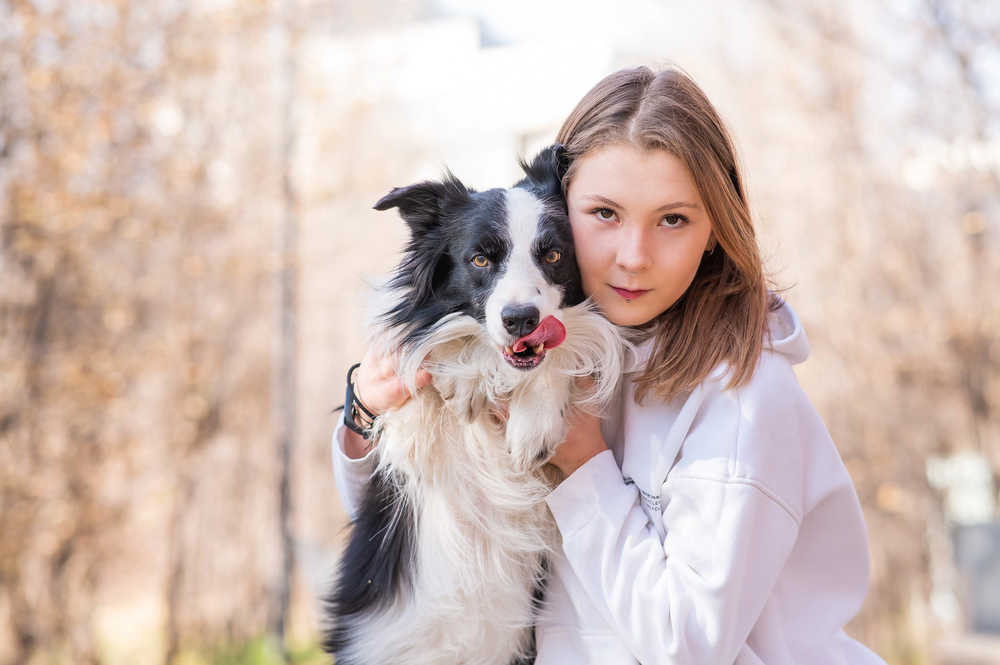
Animals speak with their bodies. A wagging tail can mean happiness in dogs – but uncertainty in cats. By decoding your pet’s signals – from ears and eyes to tail and posture – you’ll better understand their feelings and needs. This builds trust and security.
![]()
Read also:
Use a Calm and Consistent Voice
 Depositphotos
How you say something often matters more than what you say. A gentle and calm voice is soothing, while sharp or fluctuating tones can confuse and stress your pet. Speak in a consistent tone that fits the situation – whether it’s playtime, praise, or correction.
Give Clear Signals
 Depositphotos
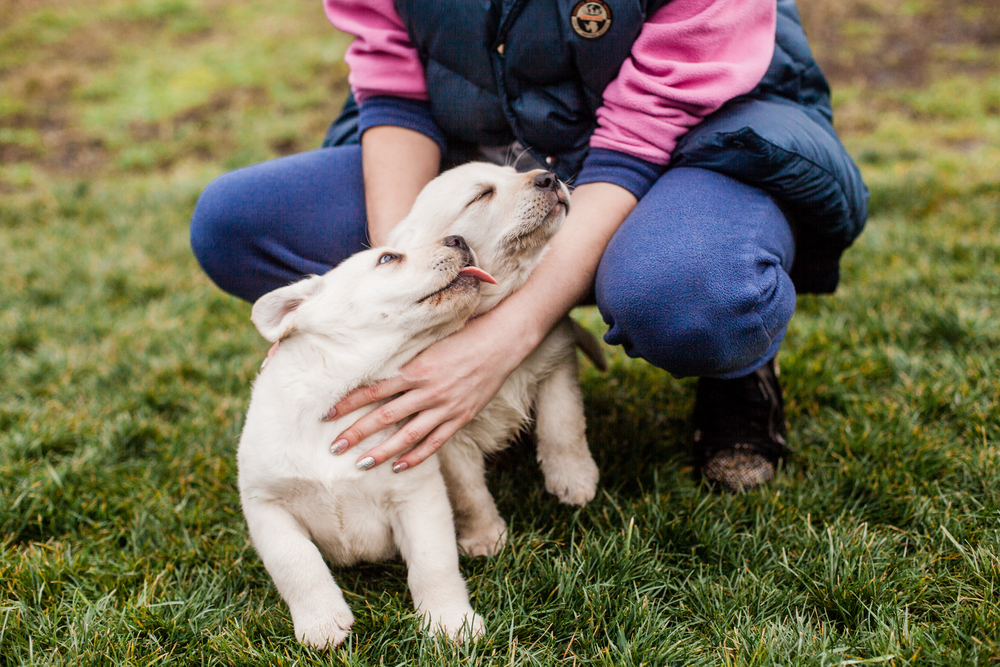
Pets respond best to short, clear cues. Avoid long explanations and instead use a few repeated commands – ideally paired with simple hand gestures. For example, an outstretched hand might mean “stop” or “stay.”
Be Aware of Your Own Body Language
 Depositphotos
Your pet picks up on your movements in an instant. Restlessness and sudden gestures can cause confusion. Move calmly and deliberately – especially during training or close moments – so your pet can more easily read your intentions.
Reward the Desired Behavior
 Depositphotos
When you praise and reward the behavior you want to see more of, your pet learns what works. A treat, a pat, or kind words are strong signals that you see and appreciate them. Positive reinforcement builds a safe and effective foundation for communication.
Listen to What’s Not Being Said
 Depositphotos
Animals say a lot through their behavior. A cat hiding or a dog barking more than usual may be trying to tell you something. Listen with your eyes – be curious about what their body language and changes in routine might be communicating.
Create Security Through Routines
 Depositphotos
Animals thrive on predictability. When meals, walks, and playtime happen around the same time each day, it creates a sense of security and structure. This also helps them better understand your signals and cooperate with you.
Train a Little – But Often
 Depositphotos
Short, daily training sessions are a great way to strengthen your communication. Simple commands like “sit,” “shake,” or “come here” provide mental stimulation and build shared focus. It’s not about perfection – it’s about connection.
Give Them Space to Express Themselves
 Depositphotos
Good communication isn’t just about sending signals – it’s also about making room to receive them. Allow your pet to take initiative, explore, and set boundaries. This boosts their confidence and strengthens your relationship.
Be Present
 Depositphotos
The most powerful form of communication is your full presence. Put away your phone, look your pet in the eyes, and be in the moment. These small moments of genuine attention mean more than a thousand words or treats.
Our team may have used AI to assist in the creation of this content, which has been reviewed by our editors.
![]()
Read also: