Gallery
10 Wild Facts About Wolves – The Ancestor of the Family Dog
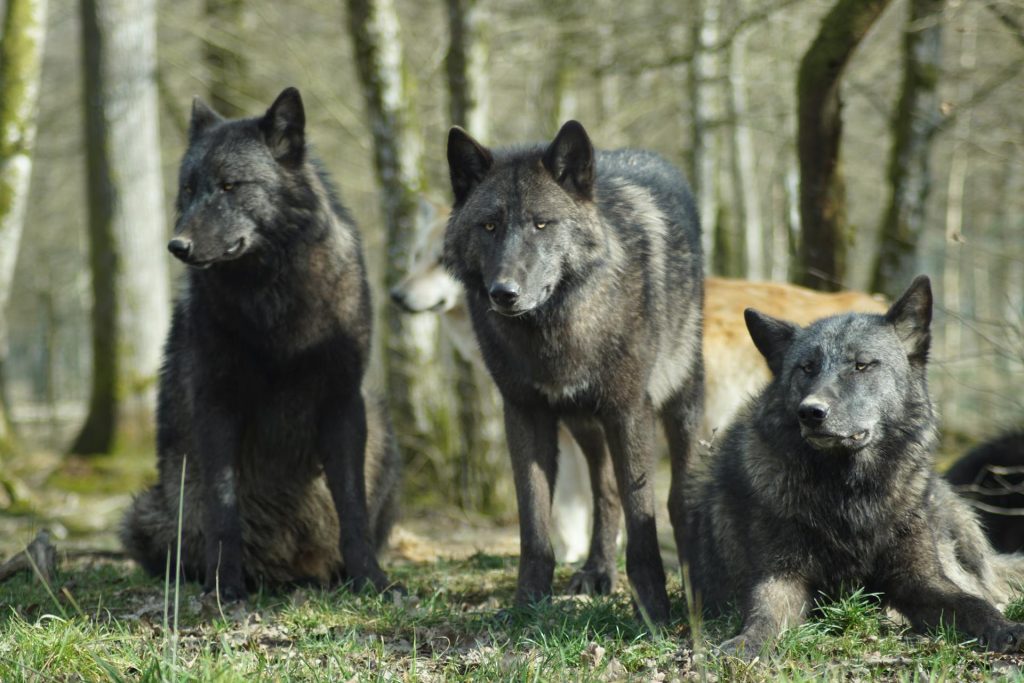
For millennia, the wolf has been both feared and admired. As the ancestor of man’s best friend, the dog, the wolf embodies a fascinating combination of intelligence, wildness, and strong social bonds. Discover 10 wild and surprising facts about wolves, ranked from the smallest ‘wow’ to the biggest ‘wild!’, confirming why this predator continues to captivate us so.
 Pexels
For millennia, the wolf has been both feared and admired. As the ancestor of man’s best friend, the dog, the wolf embodies a fascinating combination of intelligence, wildness, and strong social bonds. Discover 10 wild and surprising facts about wolves, ranked from the smallest ‘wow’ to the biggest ‘wild!’, confirming why this predator continues to captivate us so.
Wolves Can Hear Up to 6 Miles Away
 Clément Bardot, CC BY-SA 4.0 via Wikimedia Commons
A wolf’s hearing is extremely sharp. In open terrain, they can hear sounds up to 6 miles away—and even further if conditions are favorable. This ability enables wolves to coordinate hunts or locate pack calls over vast distances.
![]()
Read also:
They Have a Sense of Smell 100 Times Better Than Humans
 Pexels
A wolf’s nose is a precision instrument. With nearly 300 million smell receptors, they can sniff out prey, fellow pack members, or even enemies from several miles away. In comparison, humans have only about 5 million odor receptors.
Wolves Live in Highly Organized Packs
 Pexels
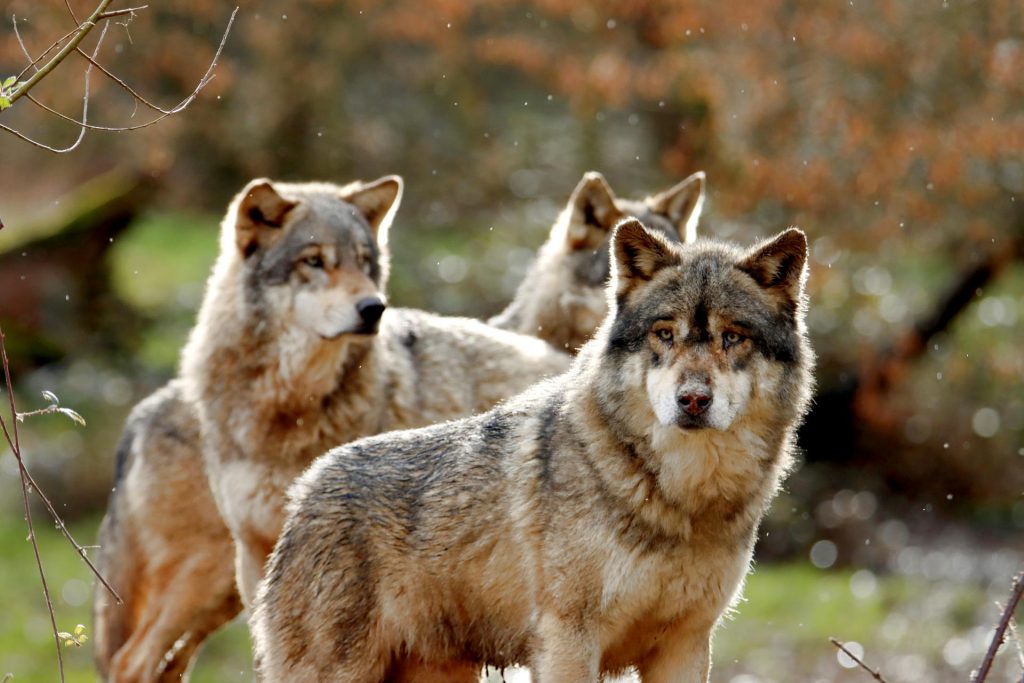
A wolf pack functions like a family with a clear hierarchy. An alpha pair leads the pack and makes crucial decisions like when to hunt. The rest of the pack typically consists of their offspring and perhaps a lone outsider.
They Use Facial Expressions and Body Language
 Pexels
Communication within a wolf pack doesn’t rely solely on howls. Wolves use an advanced system of body language, ear positions, tail carriage, and facial expressions to convey emotions and status within the pack.
They Can Travel Up to 43 Miles in a Day
 Pexels
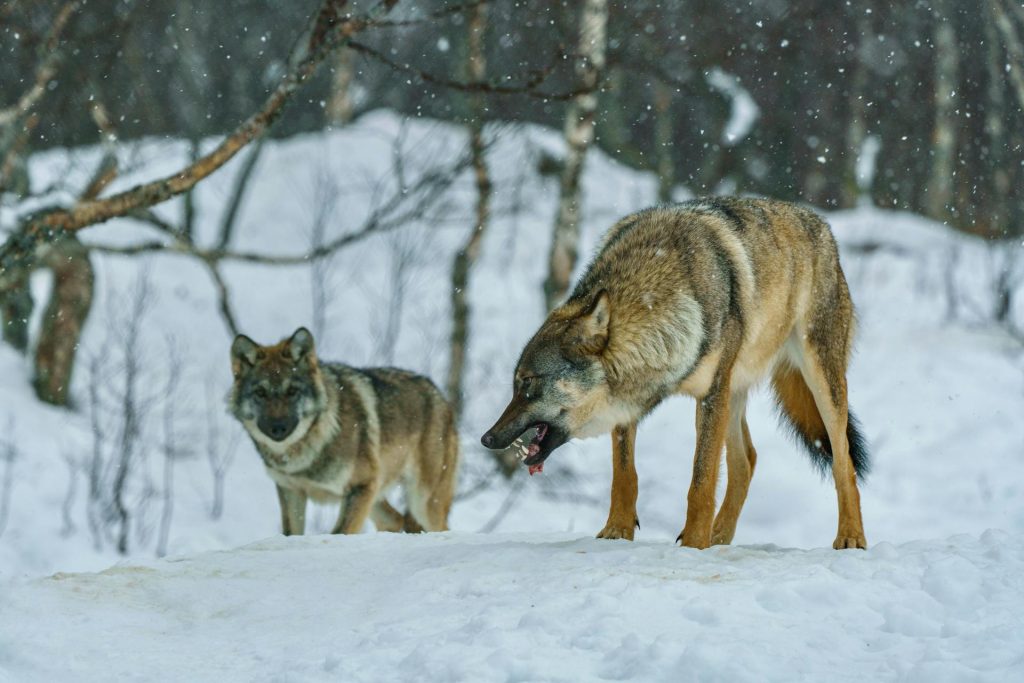
Wolves are relentless travelers. In pursuit of food, a wolf can cover up to 43 miles in a single day without exhaustion. Their strong paws and physical endurance make them true survivors.
They Have Built-In ‘Snow Boots’
 Pexels
A wolf’s paws are covered with rough hair between the pads, functioning like natural ‘snow boots.’ These assist them in moving silently and efficiently through snow and frost.
Wolves Mate for Life
 Pexels
Wolves are monogamous animals and often form lifelong pairs. The alpha pair stays together year after year, raising their young within the pack, which acts as an extended family.
They Howl to Communicate
 Cephas, CC BY-SA 3.0 via Wikimedia Commons
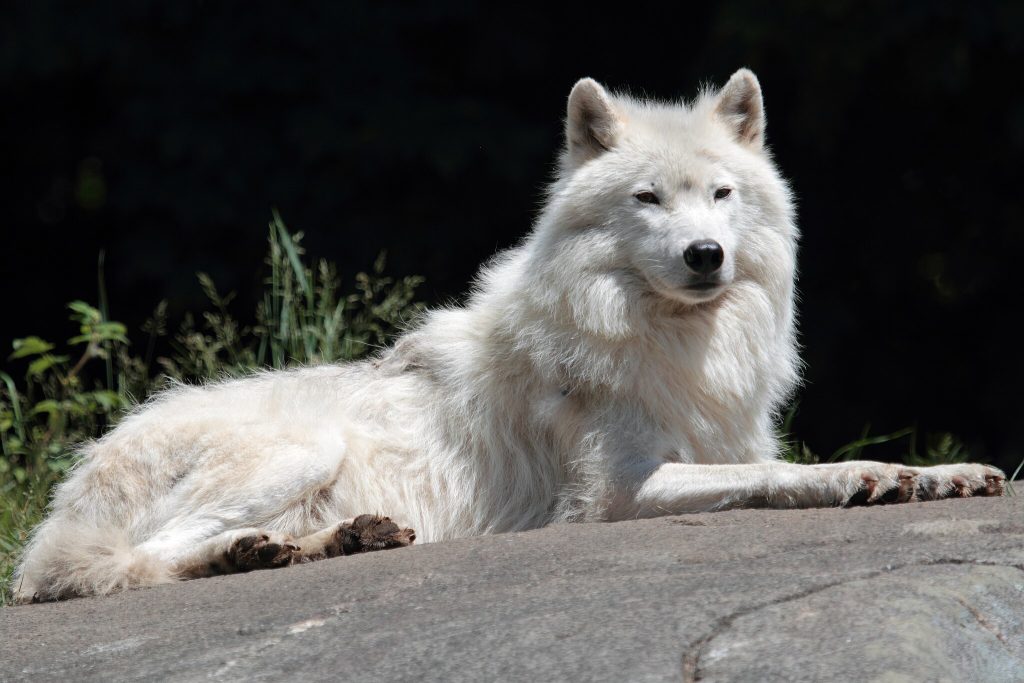
A wolf’s howl isn’t just for dramatic effect—it’s an advanced form of communication. Howls are used to reinforce social bonds, signal territory, and coordinate hunting. Each wolf has its own distinctive howl.
They Can Survive Temperatures as Low as -40°F
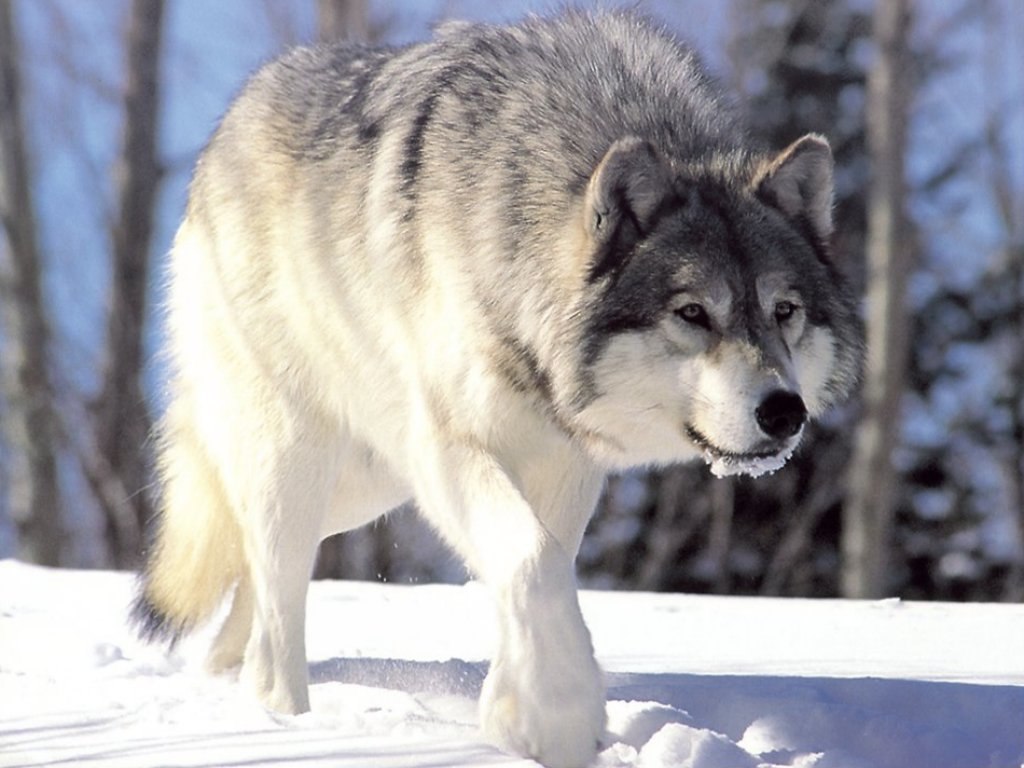 Chris Muiden, CC BY-SA 3.0 via Wikimedia Commons
Wolves thrive in some of the coldest regions on Earth. Their thick winter coat and fatty layer of skin protect them from extreme cold, and their behavior—like digging holes in the snow—helps them stay warm.
The Wolf is the Ancestor of the Dog
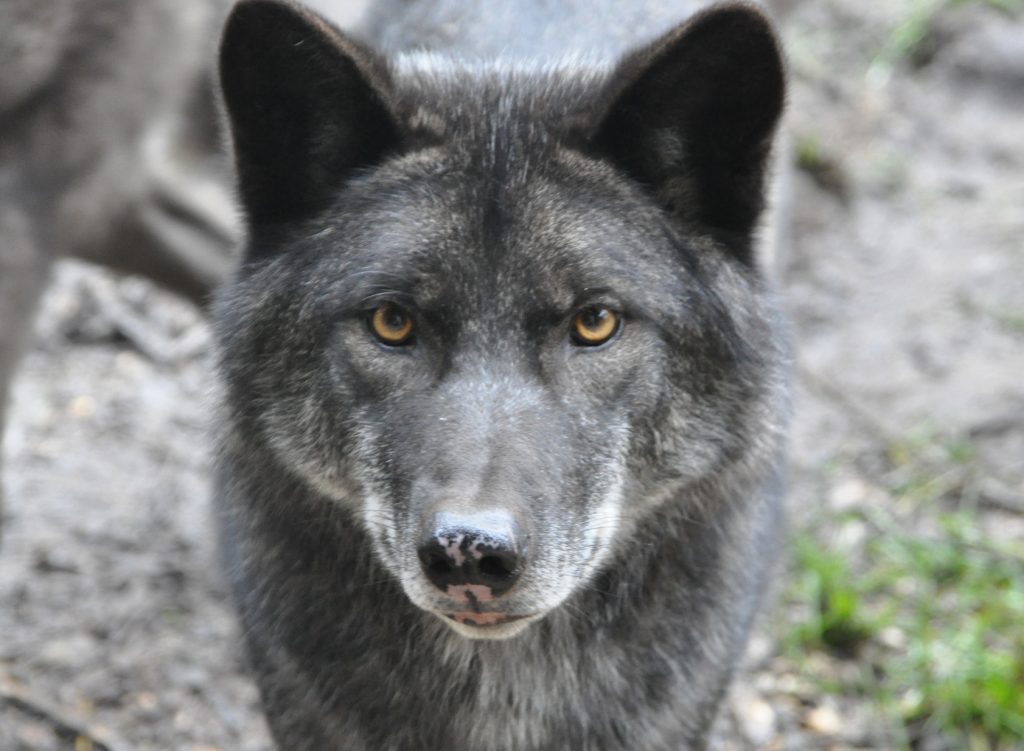 Quartl, CC BY-SA 3.0 via Wikimedia Commons
The biggest and most wild fact: all dogs—from Chihuahuas to Great Danes—descend from wolves. Around 15,000-40,000 years ago, some wolves began to approach human camps, marking the start of the world’s most loyal friendship.
Our team may have used AI to assist in the creation of this content, which has been reviewed by our editors.
![]()
Read also: