Vemira
7 Things You Didn’t Know About Your Dog’s Dreams
Humans dream—and so do dogs. But what exactly happens in a dog’s brain when it’s kicking its legs in sleep or growling softly with no threat nearby?
 Pexels
Humans dream—and so do dogs. But what exactly happens in a dog’s brain when it’s kicking its legs in sleep or growling softly with no threat nearby? Research into dog sleep and dreams has revealed fascinating insights most dog owners may not know. Here are 7 surprising facts about your dog’s dreams, ranging from biological to emotional—ranked from the most common observations to the most thought-provoking discoveries.
#1: Dogs Dream Like Humans Do
 Pexels
Researchers have discovered that dogs go through the same sleep stages as humans—including REM sleep where dreams occur. During REM sleep, the brain is activated in a way similar to being awake, and it is likely here that your dog is experiencing dreams.
![]()
Read also:
#2: Puppies Dream More Often Than Adult Dogs
 Pexels
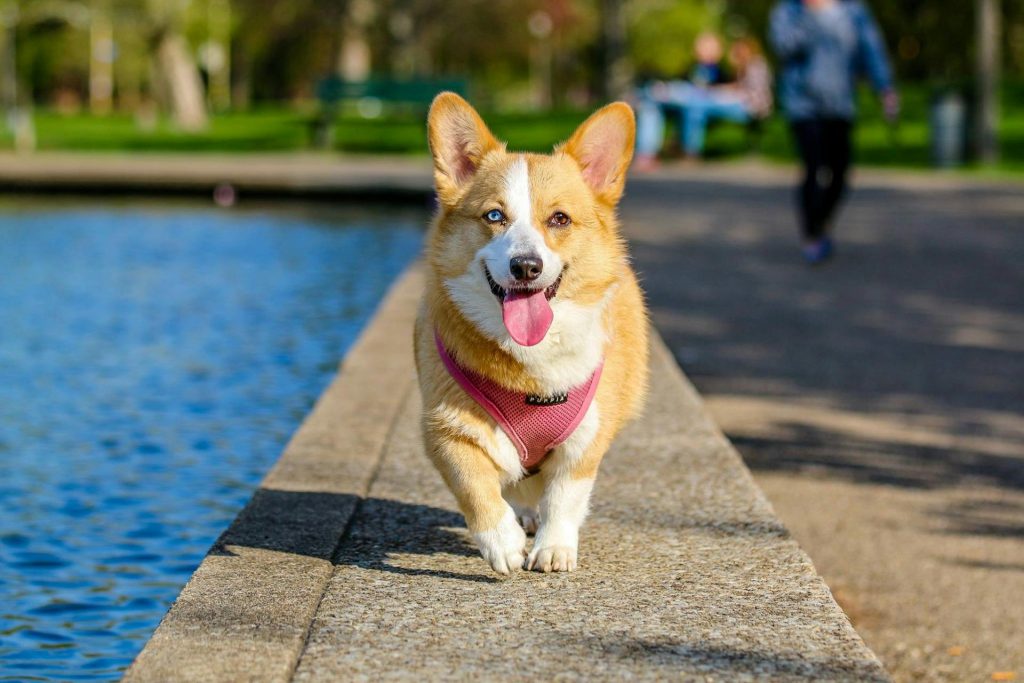
Puppies spend more time in REM sleep than adult dogs, meaning they dream more. This is because their brains are still developing, and dreaming helps them process and learn from daily experiences.
#3: Your Dog Dreams About You
 Pexels
According to neuroscientists, it’s very likely that your dog dreams about you, its owner. Since dogs spend most of their waking time with you, it’s not surprising that you play a starring role in their dream world.
#4: Dogs Reenact Daily Experiences in Sleep
 Pexels
Just like humans relive events from the day in their dreams, dogs do too. If you’ve been on a long walk or taught your dog new tricks, it’s quite possible it re-experiences this in sleep—with small movements and sounds.
#5: Different Breeds Dream Differently
 Pexels
The size and breed of your dog affect how and how much it dreams. Small breeds like poodles and terriers dream more frequently but in shorter bursts, while large breeds like Labradors and Great Danes dream less often but for longer periods.
#6: Sleep Disorders Can Impact Dreams
 Pexels
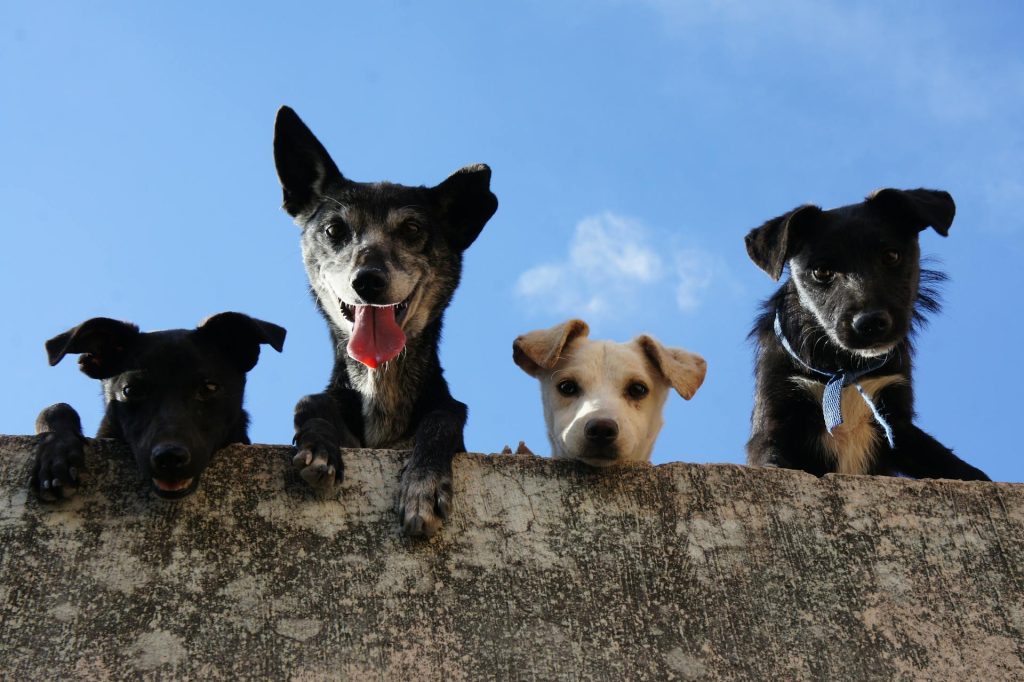
If your dog is restless while sleeping, it could be a sign of stress or health issues. Sleep disorders can disrupt REM sleep, thus affecting how—and whether—your dog dreams. It’s important to ensure a comfortable and quiet sleeping space.
#7: Some Dogs Have Nightmares
 Pexels
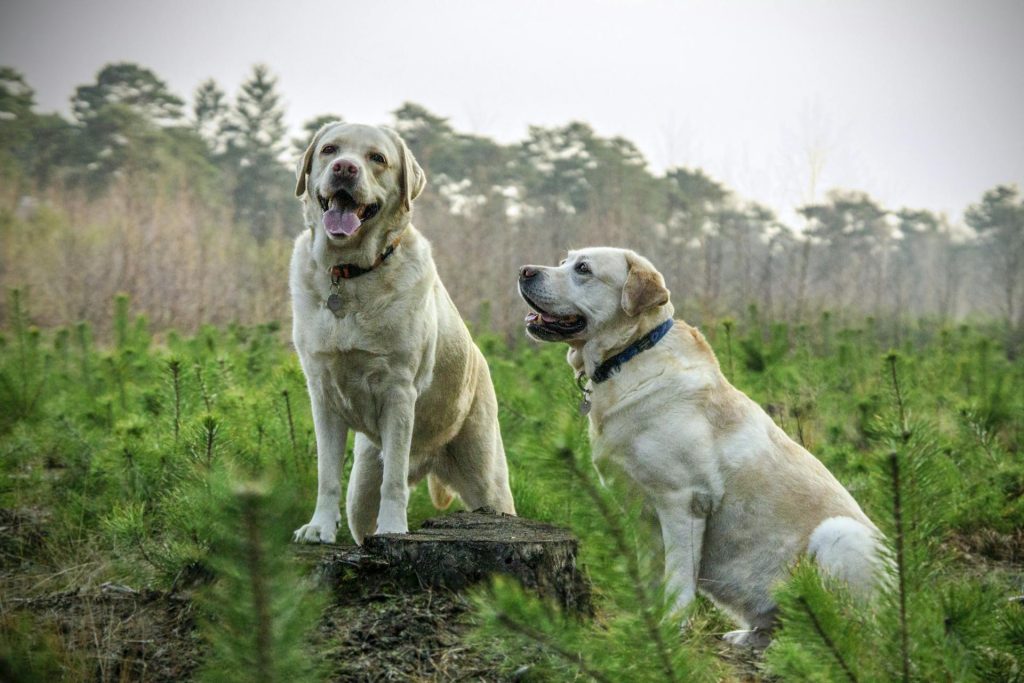
Dogs don’t only have pleasant dreams. Some can experience nightmares, often evidenced by whining, barking, or sudden movements in sleep. Although it can be difficult to know what their nightmares are about, experts suggest they could be triggered by trauma, insecurity, or stress.
Our team may have used AI to assist in the creation of this content, which has been reviewed by our editors.
![]()
Read also: