Vemira
7 Things You Didn’t Know About Cats and Their “Secret Language”
For thousands of years, cats have fascinated humans with their mysterious behavior and apparent independence.

For thousands of years, cats have fascinated humans with their mysterious behavior and apparent independence.
But behind those soft paws and golden eyes lies a “secret language”—a refined communication system that only a few truly understand.
Here are seven surprising insights into feline behavior that will change the way you see your furry friend.
#1: The Slow Blink That Means “I Love You”

When a cat slowly blinks at you, it’s not random—it’s actually a sign of affection. In cat language, it means: “I feel safe with you.”
You can return your cat’s loving gesture by slowly blinking back. It’s their way of saying “I love you”—without making a sound.
![]()
Read also:
#2: Purring and Growling Can Mean the Opposite

Many people think cats are always happy when they purr. But cats also purr when they’re stressed, sick, or scared—it’s a way to soothe themselves.
Conversely, a growling cat may be overstimulated and warning you to back off, even if it just purred with contentment a moment ago.
#3: Tail Position Reveals Their Mood
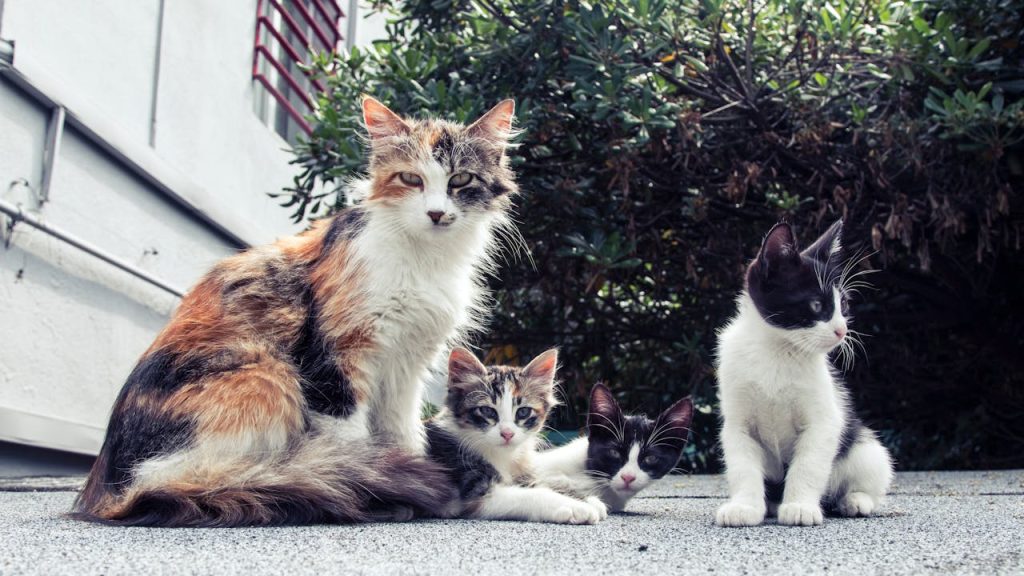
A cat’s tail is like an emotional thermometer.
An upright tail with a slight curve at the tip signals that your cat is happy and friendly.
A tail flicking back and forth indicates irritation or excitement.
And a tail tucked under the body means the cat feels insecure or frightened.
#4: Whiskers Are for More Than Navigation
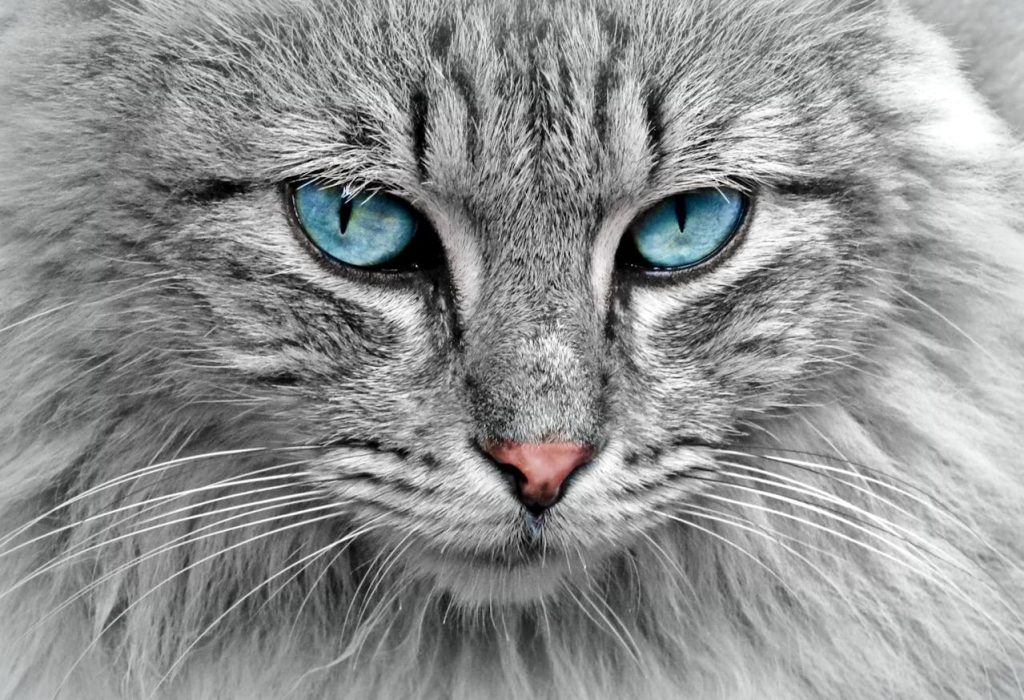
A cat’s whiskers—also known as vibrissae—work as sensitive sensors, but they also help express emotion.
If the whiskers point forward, the cat is curious or in hunting mode.
If they’re pulled back toward the face, it can be a sign of fear or aggression.
#5: Rubbing Isn’t Just Affection—It’s Ownership
 Pexels
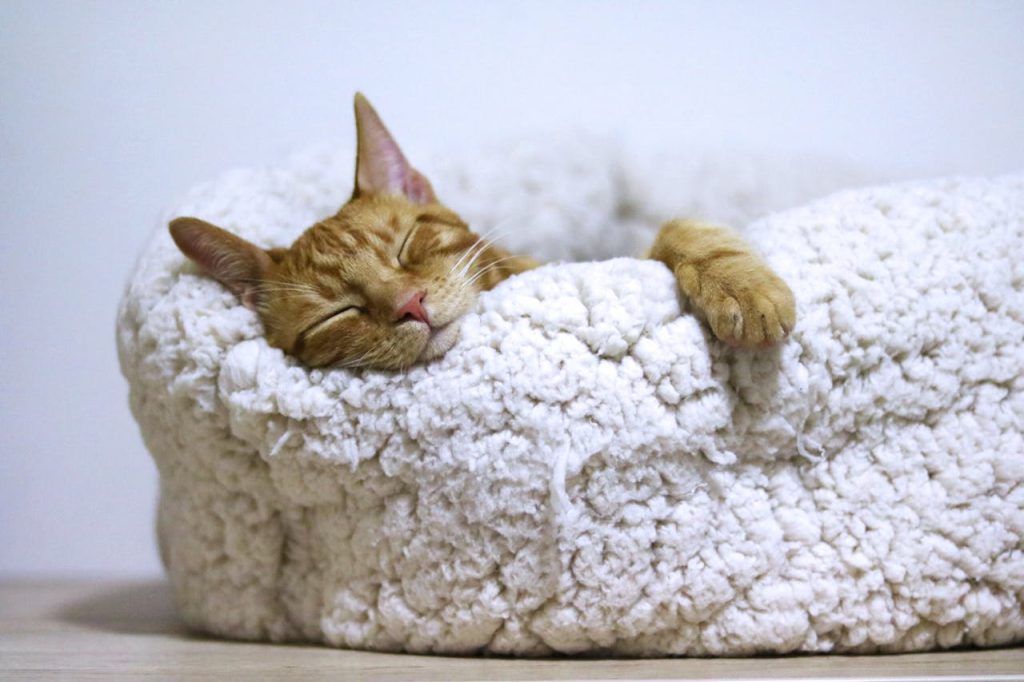
When a cat rubs against your legs or furniture, it’s not just showing affection—it’s marking territory.
Cats have scent glands in their cheeks, and by rubbing, they leave behind their unique scent—a kind of “this is mine” message to other animals.
#6: Their Meows Change Depending on the Relationship
 Pexels
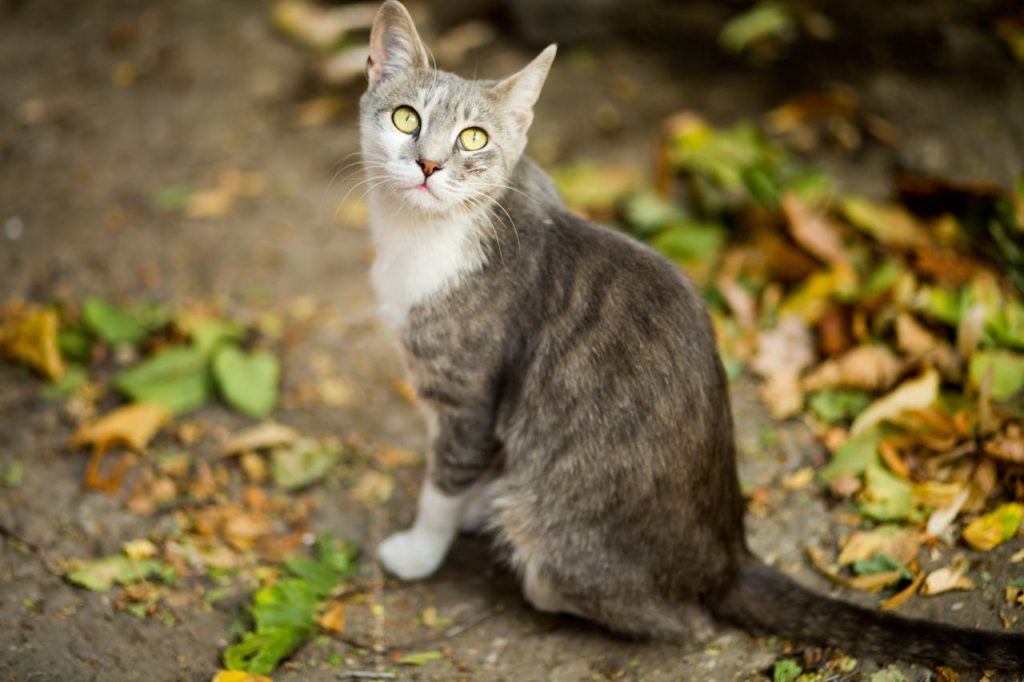
Cats meow primarily to humans, not to each other.
The tone and intensity of the meow varies depending on what the cat wants—from a polite request for food to a demand for attention.
Some cats even develop their own unique “communication style” that matches the bond they have with their owner.
#7: Cats Read Your Body Language—Better Than You Think

Though they may seem aloof, cats are excellent at reading human body language.
They pay close attention to how you move, your tone of voice, and even your facial expressions.
This helps them adjust their behavior—sometimes even before you’re aware of how you’re feeling.
Our team may have used AI to assist in the creation of this content, which has been reviewed by our editors.
![]()
Read also: