Vemira
7 Things You Didn’t Know About Cats and Their Hunting Instinct
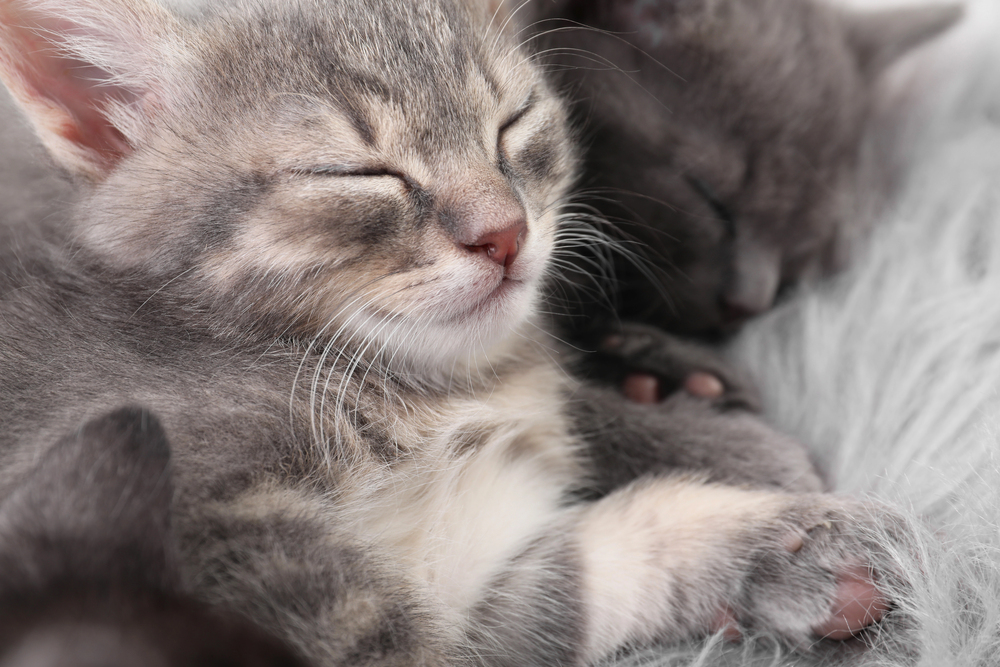
Cats are more than just cute pets – they’re also fierce hunters. Their hunting instinct is a deeply rooted part of their behavior, whether they’re lounging on the couch or sneaking silently through the garden. But there are many fascinating details about cats and their predatory behavior that most people don’t know. Here’s a top 7 list of surprising and exciting facts about cats and their natural hunting instincts – ranked from the least to the most impressive.
 Depositphotos
Cats are more than just cute pets – they’re also fierce hunters. Their hunting instinct is a deeply rooted part of their behavior, whether they’re lounging on the couch or sneaking silently through the garden. But there are many fascinating details about cats and their predatory behavior that most people don’t know. Here’s a top 7 list of surprising and exciting facts about cats and their natural hunting instincts – ranked from the least to the most impressive.
#7: Kittens Play Their Way Into Hunting Skills
 Depositphotos.com
From a very young age, kittens begin developing their hunting instinct through play. When they chase strings, feathers, or each other, they’re actually practicing the movements and reflexes that adult cats use while hunting. In other words, playtime isn’t just fun – it’s essential training for becoming a skilled hunter.
![]()
Read also:
#6: The House Cat Never Forgets Its Inner Predator
 Depositphotos
Even the most pampered indoor cat with a full food bowl can’t resist a moving object. Cats are wired to respond to motion, and their instincts kick in even if they’ve never seen a real mouse. That’s why they often “hunt” socks, flies, or shadows.
#5: Cats Also Hunt for Fun
 Depositphotos
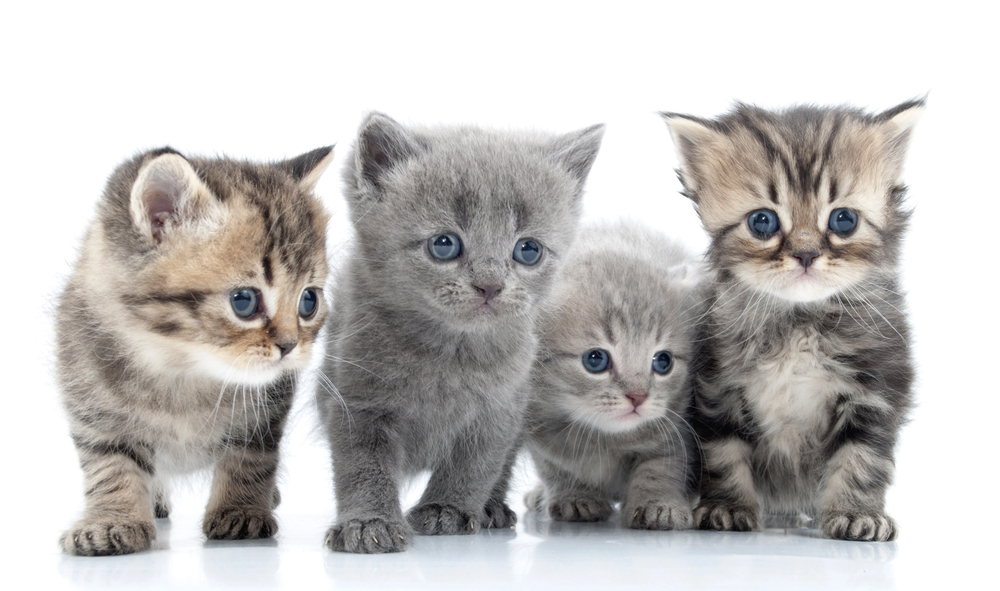
Unlike many predators, cats don’t only hunt when they’re hungry. They may go after small animals and not eat them afterward. That’s because hunting is also mentally stimulating and entertaining for them – a bit like how humans play video games.
#4: A Mouse Isn’t Just a Mouse
 Depositphotos
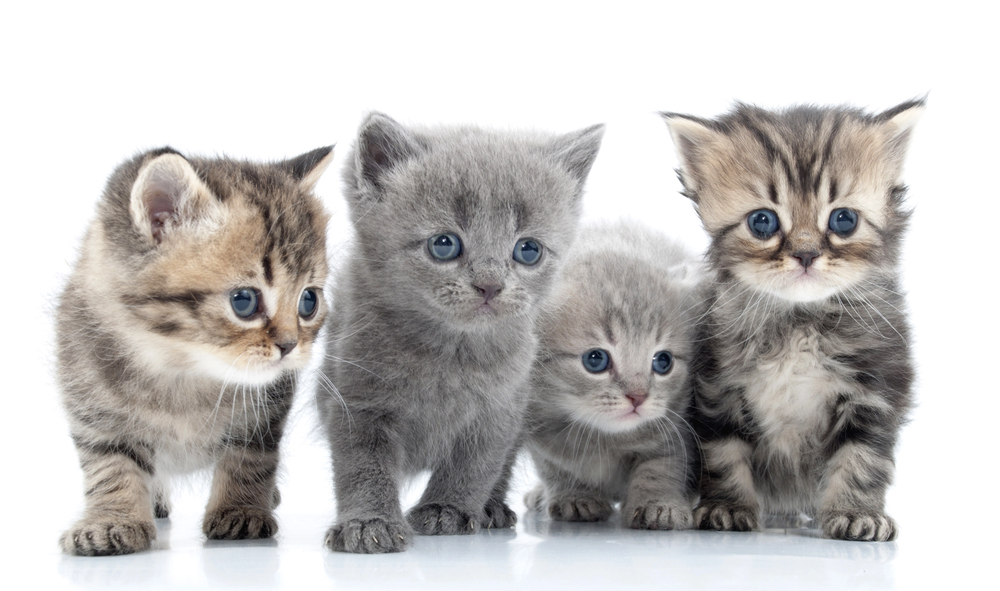
Cats have preferences when it comes to prey. Some go after birds, others prefer mice, and some even target reptiles. These preferences can be influenced by experience, what’s available in the area, and individual taste – much like humans have favorite foods.
#3: Cats Strike With Millimeter Precision
 Depositphotos
A cat’s body is built for hunting: a flexible spine, powerful hind legs, and excellent balance allow them to leap with precision and purpose. They also have outstanding hearing and vision, letting them pinpoint prey even in near-total darkness.
#2: Cats Use the “Death Leap” Technique
 Depositphotos
When a cat attacks, it often does so with a lightning-fast leap that stuns its prey. This “death leap” is a signature move where the cat uses its full body weight and claws to overpower the prey in a split second. It’s highly effective and nearly impossible to escape.
#1: Cats Are Elite Micro-Hunters
 Depositphotos
Despite their size, cats are among the world’s most efficient predators in terms of hunting success rate. While many larger predators fail more often than they succeed, cats hit their target in up to 60% of their hunting attempts – especially when going after small animals. This makes them some of nature’s most precise and patient hunters.
Our team may have used AI to assist in the creation of this content, which has been reviewed by our editors.
![]()
Read also: