Vemira
6 Things You Didn’t Know About Police Dogs
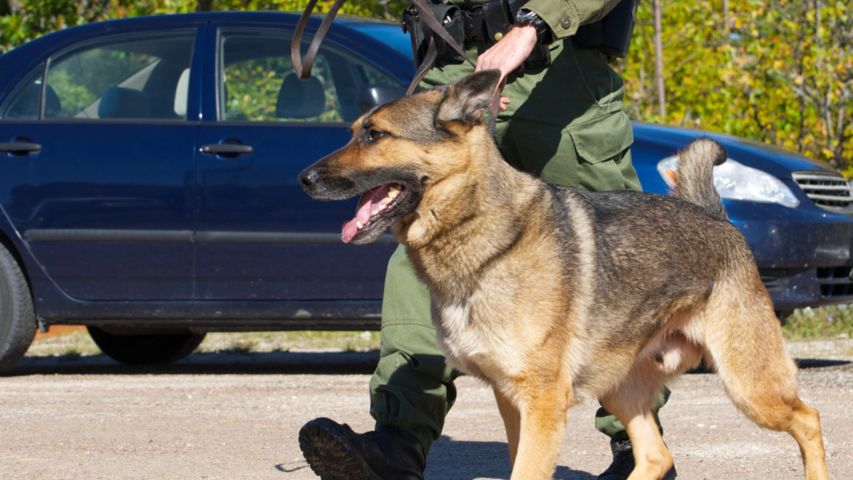
Police dogs are far more than four-legged helpers in uniform. They are highly trained, brave, and deeply loyal partners to their human colleagues. But how much do you really know about these impressive animals? Here are 7 surprising and fascinating facts about police dogs that might change the way you see them forever.
 Depositphotos.com
Police dogs are far more than four-legged helpers in uniform. They are highly trained, brave, and deeply loyal partners to their human colleagues. But how much do you really know about these impressive animals? Here are 7 surprising and fascinating facts about police dogs that might change the way you see them forever.
#1: Many Police Dogs Come From Abroad
 Depositphotos
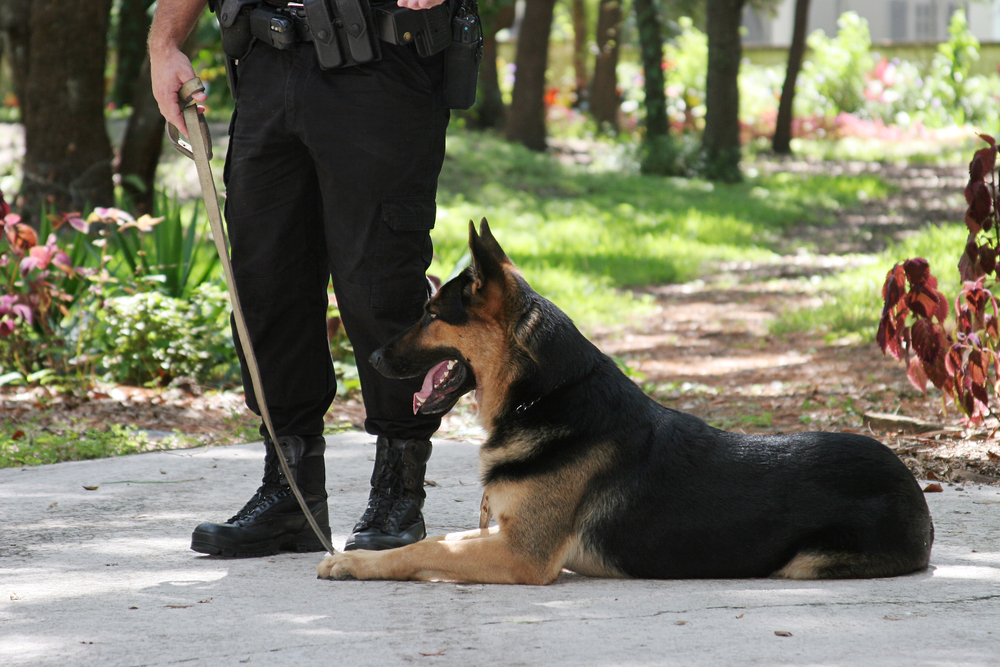
A large number of police dogs used in Denmark and many other countries are actually born and raised abroad—especially in countries like Germany, the Netherlands, and Belgium.
These countries specialize in breeding working dogs and provide dogs with strong instincts and excellent temperaments suited for police work.
![]()
Read also:
#2: They Start Training as Puppies
 Depositphotos.com
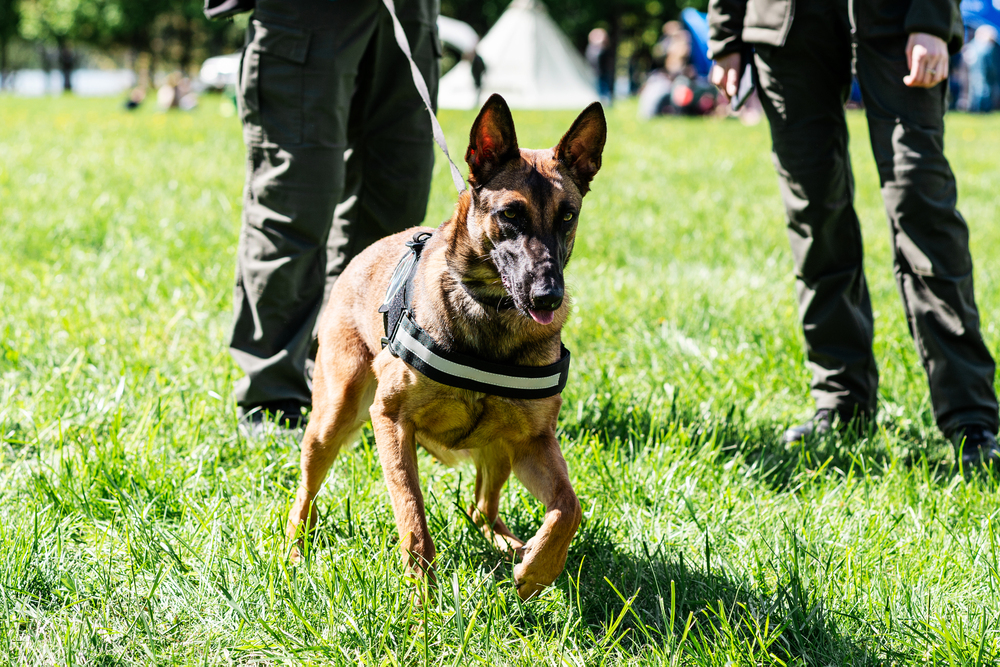
A police dog’s career often begins when it’s just a small puppy. Training typically starts at around 8 to 10 weeks of age with play and obedience exercises, and continues for years with specialization in tasks like drug detection, tracking, or patrol duties. Early socialization and proper upbringing are key to their success.
#3: There Have Different Specializations
 Depositphotos
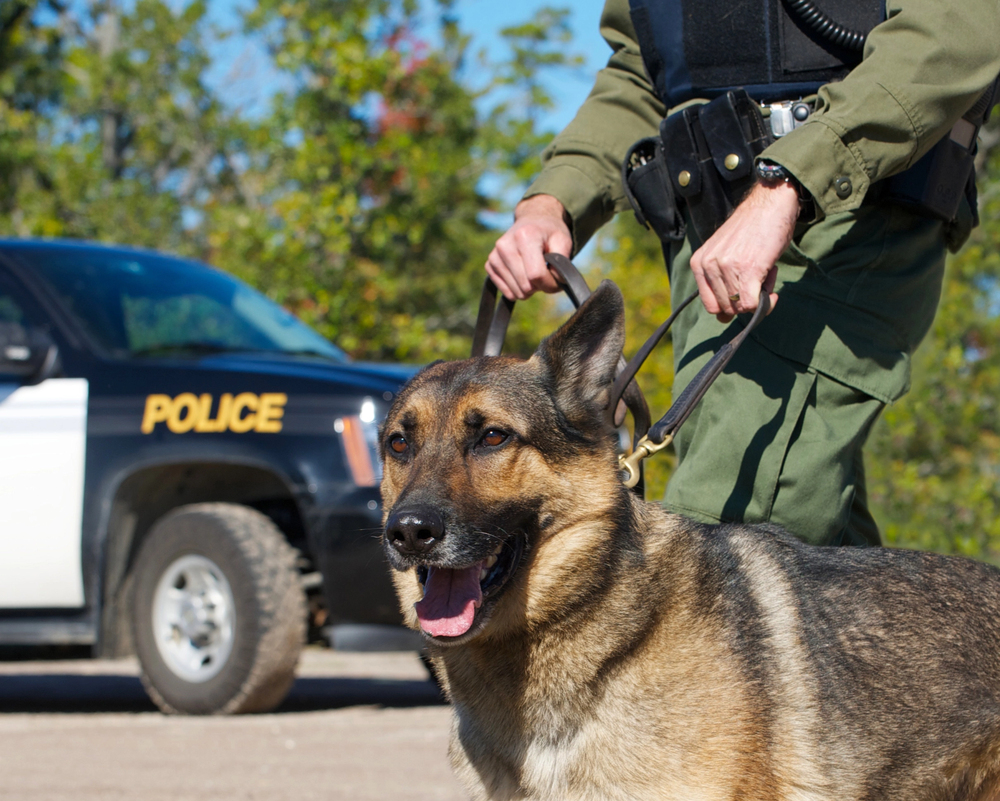
Not all police dogs do the same job. Some are patrol dogs trained to apprehend suspects and protect officers, while others are specially trained to sniff out narcotics, explosives, or even human remains. There are also dogs that work exclusively in search and rescue operations.
#4: They Retire
 Depositphotos
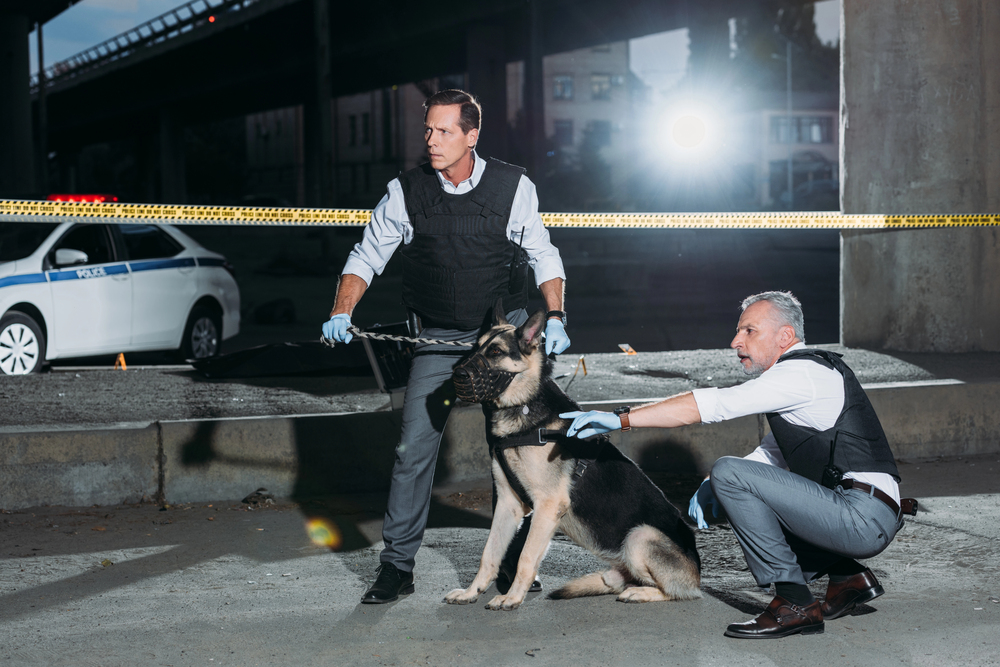
A police dog’s career typically lasts 8 to 10 years, after which it retires. Many retired police dogs are adopted by their handlers and enjoy a peaceful life as a family pet. The transition from active duty to retirement often requires some adjustment—for both the dog and the handler.
#5: They Are an Indispensable Part of Police Work
 Depositphotos
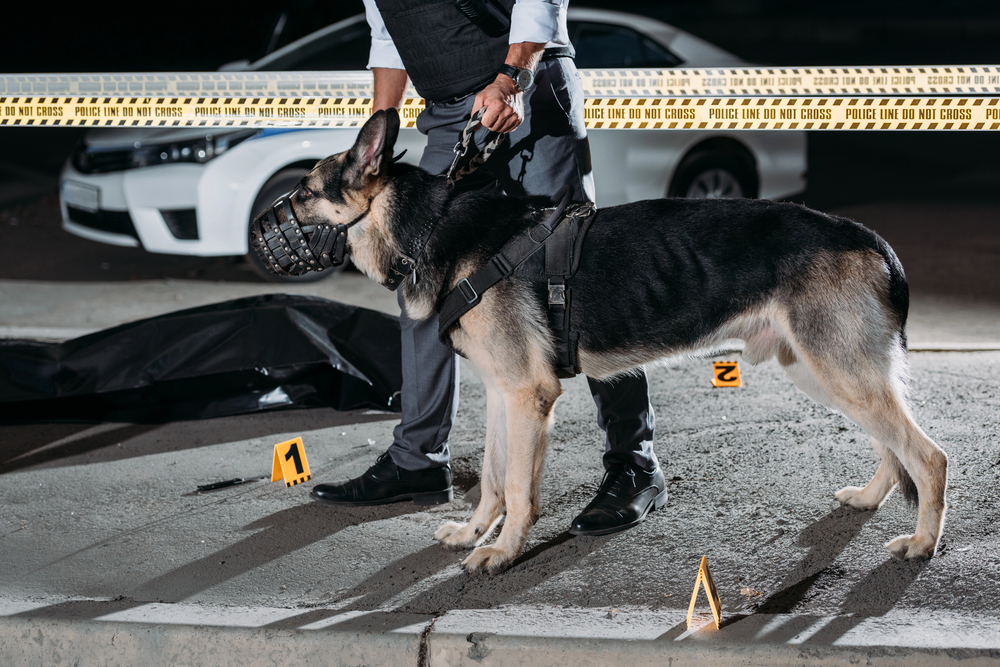
En politihunds arbejdsliv varer typisk 8-10 år, hvorefter den går på pension. Mange Police dogs can find evidence, locate suspects, and save lives—tasks that would be nearly impossible for humans alone. Their keen sense of smell and quick reaction times make them invaluable tools in many types of investigations and emergency situations.politihunde bliver adopteret af deres førere og nyder et roligt otium som familiehund. Overgangen fra aktiv tjeneste til pension kræver ofte lidt tilvænning – både for hund og fører.
#6: They’re Both Heroes and Family Members
 Depositphotos
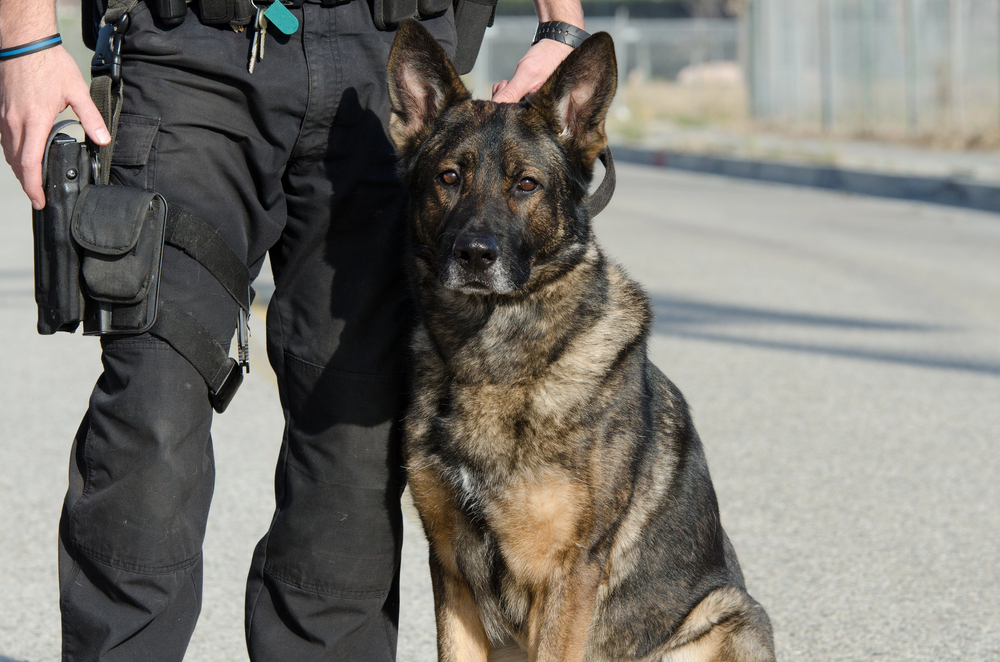
To their handlers, police dogs aren’t just colleagues—they’re partners and part of the family. They often live together, train daily, and form strong emotional bonds. It’s precisely this relationship that makes their teamwork so effective and full of trust, even in life-threatening situations.
Our team may have used AI to assist in the creation of this content, which has been reviewed by our editors.
![]()
Read also: