 Depositphotos
The wolf is one of nature’s most fascinating and mythologized creatures, but behind its yellow eyes and wild howls, there are many surprises. Most people know the wolf as a predator that hunts in packs, but there is far more to learn about Canis lupus than just that. Here are seven surprising, fascinating, and somewhat hidden facts about wolves – from their complex social lives to their crucial role in ecosystems.
#1: Wolves Use Facial Expressions and Body Language to Communicate
 Depositphotos
Wolves don’t communicate solely through howling – they have a rich language consisting of facial expressions, tail positioning, ear movements, and body posture. A wolf with upright ears and a straight tail exudes dominance, while a lowered tail and laid-back ears express submission. This is part of the social hierarchy within the pack.
![]()
Read also:
#2: A Wolf Pack is a Family – Not a Loose Gathering of Hunters
 Depositphotos
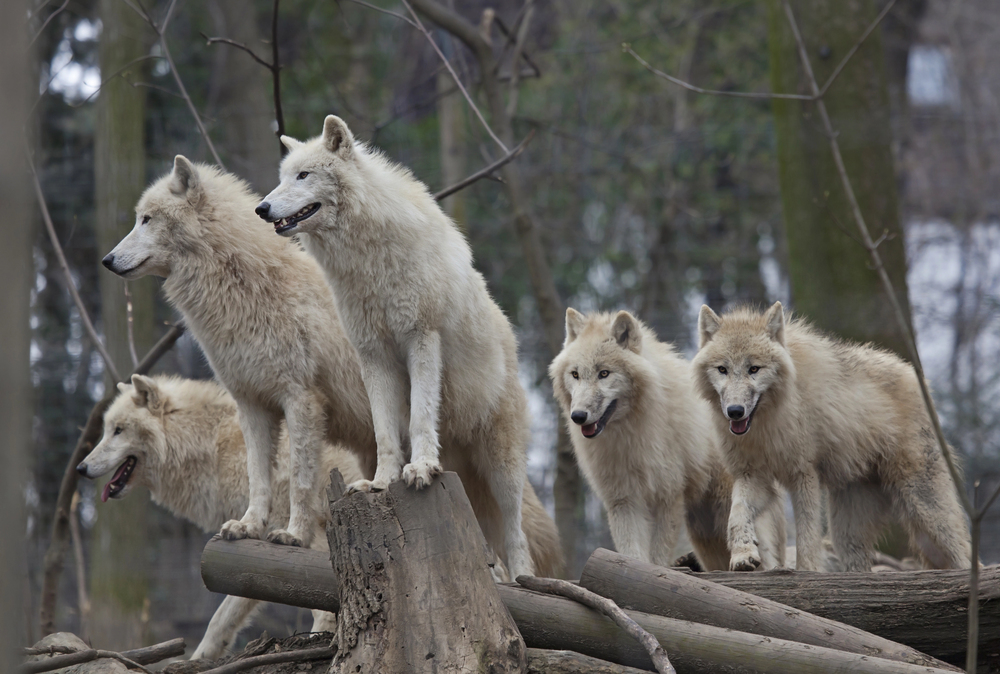
Many believe that a wolf pack is a group of random wolves, but in reality, the pack almost always consists of parents and their offspring from the past couple of years. This makes the pack a tightly knit unit, where cooperation and protection of offspring are paramount.
#3: Wolves Can Travel Over 80 Kilometers in a Single Night
 Depositphotos
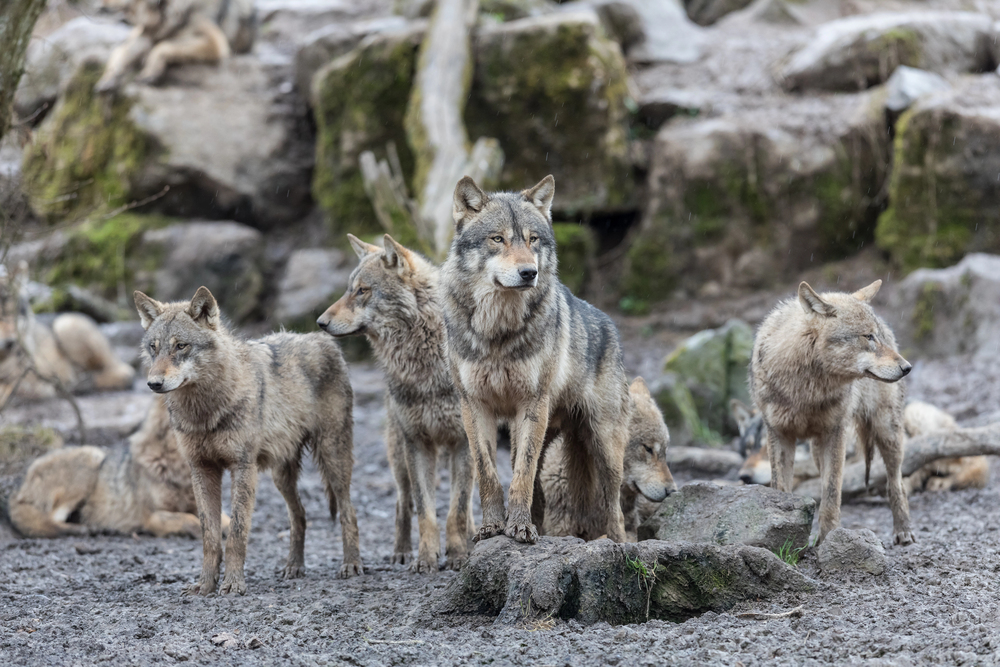
Wolves are relentless travelers. When hunting or searching for new territories, they can cover impressive distances – often 30-80 kilometers in a single night. Their legs are built for endurance, and they can maintain a steady pace for hours.
#4: Wolves’ Howls Have Different Meanings
 Depositphotos
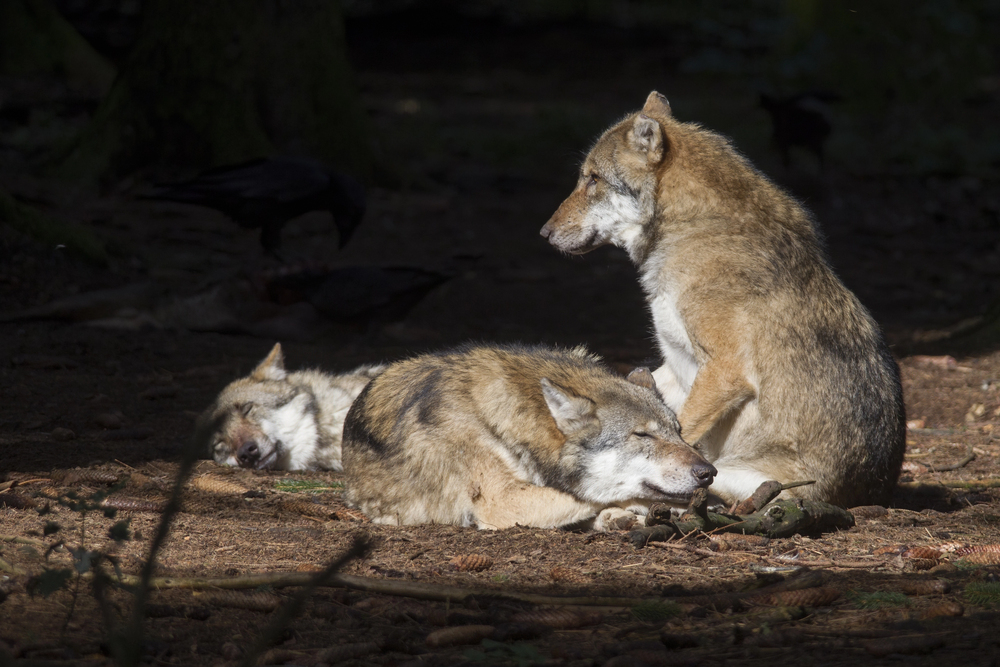
A howl is not just a howl. Wolves use different tones and lengths depending on the message – it can be a call to the pack, a warning to rivals, or a way to find each other over long distances. Each wolf has its own “howl signature,” which allows them to recognize each other.
#5: Wolves Change Ecosystems – Literally
 Depositphotos
When wolves were reintroduced to Yellowstone National Park in 1995, a dramatic change occurred in the ecosystem. Wolves controlled the deer population, allowing forests to regenerate. This attracted birds, beavers, and even changed river courses – a phenomenon known as trophic cascade.
#6: Wolves are Extremely Monogamous
 Depositphotos
Wolves mate for life. The dominant alpha pair remains loyal partners and raises their offspring together. Only the alpha pair reproduces, which helps ensure balance within the pack and prevents overpopulation in the territory.
#7: They Have Extremely Strong Jaws
 Depositphotos
A wolf’s bite is stronger than most large dogs’ – with a pressure of up to 1,500 psi (pounds per square inch). It is strong enough to crush bones, which is necessary when deriving nutrients from an entire prey animal, including marrow and bones.
Our team may have used AI to assist in the creation of this content, which has been reviewed by our editors.
![]()
Read also: