Animal News
Top 10 Dangerous Animals You Didn’t Know Could Kill You
We all know that sharks, lions, and crocodiles are dangerous.
 Photo : Depositphotos.com
We all know that sharks, lions, and crocodiles are dangerous. But some of the world’s deadliest creatures are surprisingly small, unassuming, or just plain unexpected. In this list, we count down from the “surprisingly dangerous” to the “absolutely lethal.” These are the top 10 animals that could kill you—without you ever seeing it coming.
The Slow Loris – Cute but Toxic
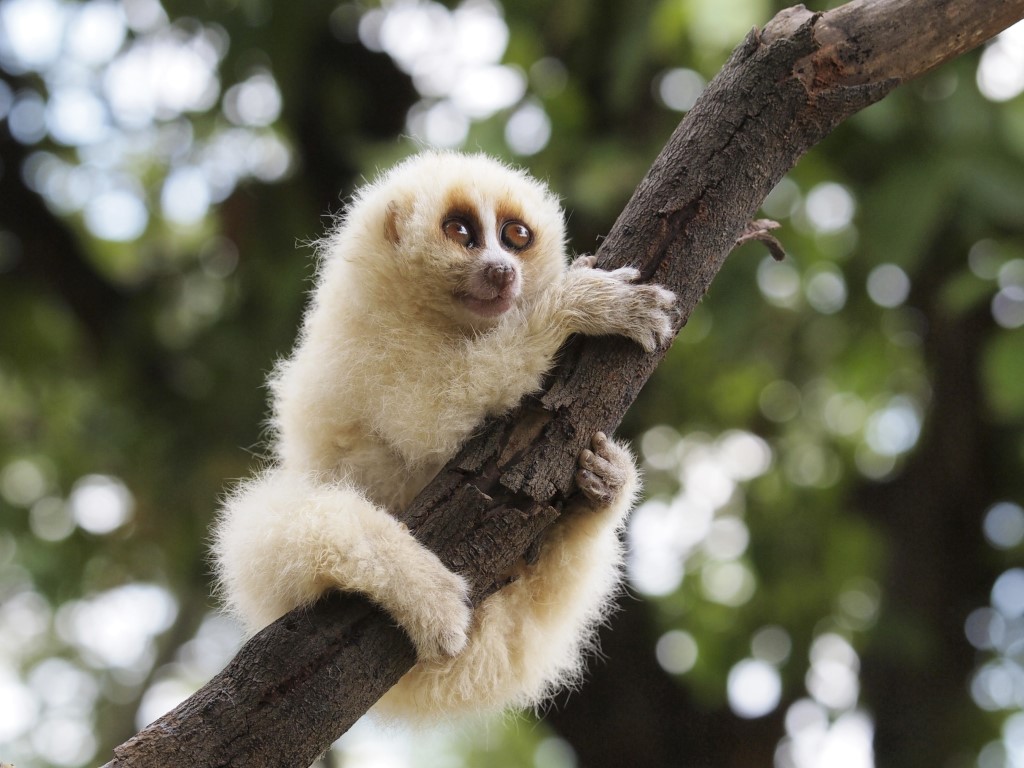 Aprisonsan, CC BY-SA 4.0 via Wikimedia Commons
With its big eyes and gentle movements, the slow loris looks like a real-life stuffed animal. But don’t let the cuteness fool you. This tiny primate has a toxic bite that can cause extreme pain, allergic reactions, and even death in some cases. It’s one of the only venomous mammals on Earth.
![]()
Read also:
The Cassowary – Australia’s Deadliest Bird
 BBC News اردو, CC BY 3.0 via Wikimedia Commons
It looks like a dinosaur crossed with a peacock, and it kind of acts like one too. Native to Australia and New Guinea, the cassowary can run up to 50 km/h and has razor-sharp claws that have been known to fatally injure humans. It’s considered one of the most dangerous birds alive.
The Cone Snail – Deadly Beauty
 Rickard Zerpe, CC BY 2.0 via Wikimedia Commons
Found in warm tropical waters, the cone snail may look like a pretty seashell, but inside hides a venomous harpoon. A single sting can paralyze or kill a human within hours. There’s no known antivenom, making it one of the ocean’s most deceptively deadly creatures.
The African Buffalo – The Silent Killer
 Giles Laurent, CC BY-SA 4.0 via Wikimedia Commons
It doesn’t have fangs, venom, or speed. But the African buffalo is responsible for more deaths in Africa than most predators. These massive beasts are unpredictable and fiercely territorial. They’ve been known to ambush hunters and can easily gore a person with their powerful horns.
The Golden Poison Dart Frog – Tiny but Lethal
 The Golden Poison Dart Frog
Just 5 cm long, this brightly colored frog carries enough poison to kill 10 adult humans. Indigenous people in Colombia have used its toxins to coat their blow darts. Even touching this frog with bare skin can be deadly.
The Blue-Ringed Octopus – A Bite to Die For
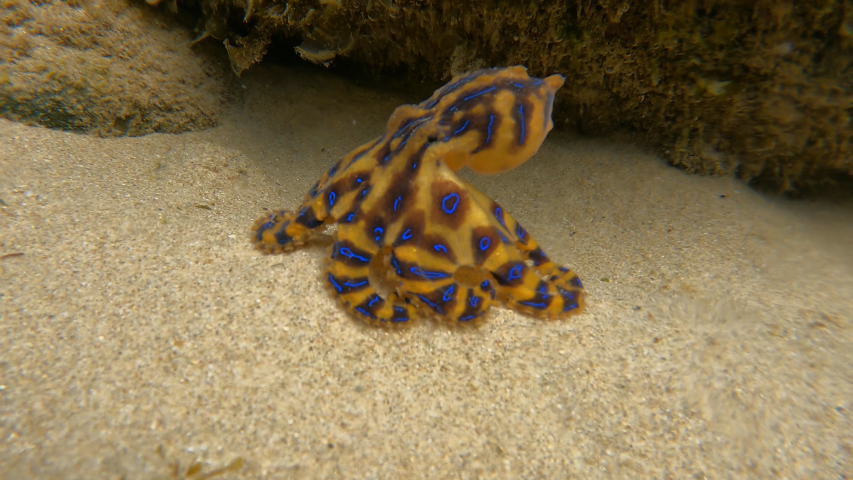 MurkySeb, CC BY-SA 4.0 via Wikimedia Commons
About the size of a golf ball, this colorful octopus might seem harmless. But its venom contains tetrodotoxin—a neurotoxin 1,000 times more powerful than cyanide. One bite can cause paralysis and death within minutes. There’s no antivenom, and victims often don’t even feel the bite at first.
The Freshwater Snail – The Slow Assassin
 Kong of Lasers, CC BY 3.0 via Wikimedia Commons
It sounds ridiculous, but freshwater snails kill over 200,000 people every year through a parasite they carry called schistosomiasis. Found mostly in tropical regions, this tiny killer spreads disease quietly and efficiently, making it one of the deadliest animals in the world.
The Tsetse Fly – Africa’s Silent Plague
 Alan R Walker, CC BY-SA 3.0 via Wikimedia Commons
This small, ordinary-looking fly carries the parasite that causes sleeping sickness in humans. If untreated, it’s fatal. Found across sub-Saharan Africa, it has devastated entire communities and is responsible for countless deaths every year.
The Box Jellyfish – The Ocean’s Ghost
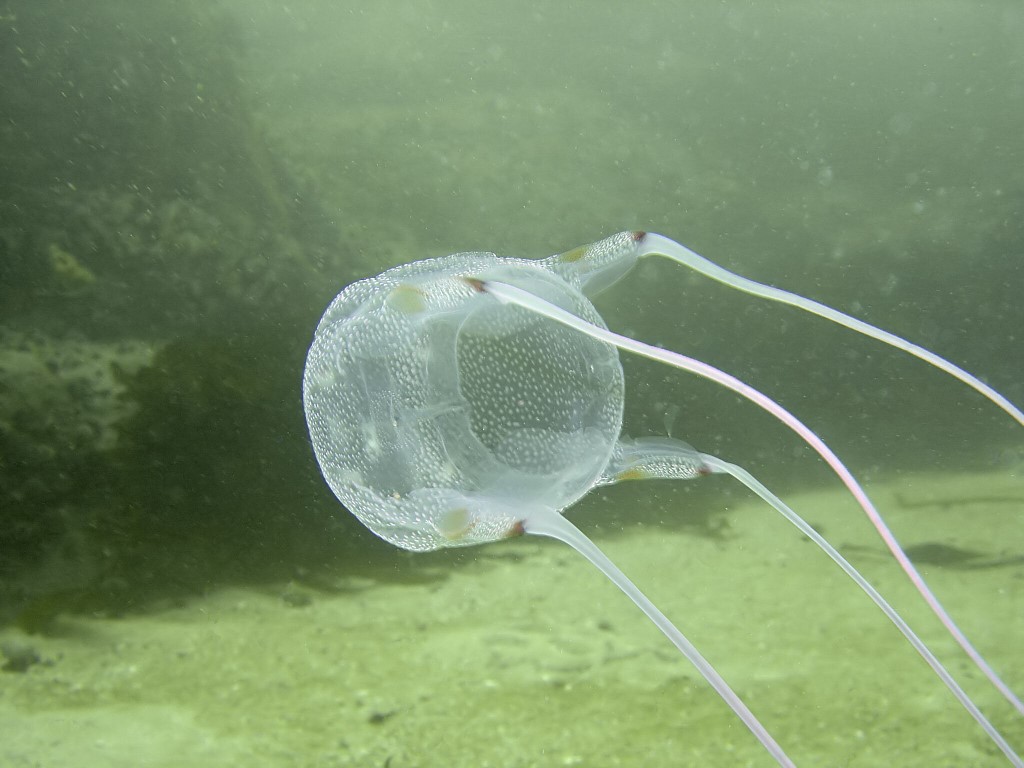 Peter Southwood, CC BY-SA 3.0 via Wikimedia Commons
With nearly invisible tentacles and venom that attacks the heart and nervous system, the box jellyfish is one of the ocean’s most feared creatures. Victims often go into shock or drown before reaching land. It’s considered one of the most venomous animals known to science.
The Mosquito – The World’s Deadliest Animal
 NIAID, CC BY 2.0 via Wikimedia Commons
Tiny, buzzing, and found nearly everywhere, the mosquito is responsible for more deaths than any other animal. By transmitting diseases like malaria, dengue fever, Zika, and yellow fever, it causes over a million deaths per year. It may be small, but its impact is devastating.
Our team may have used AI to assist in the creation of this content, which has been reviewed by our editors.
![]()
Read also: