Animal News
Top 10 Rare Reptiles/Amphibians for the Home
Also called the “Satanic Leaf-tailed Gecko”
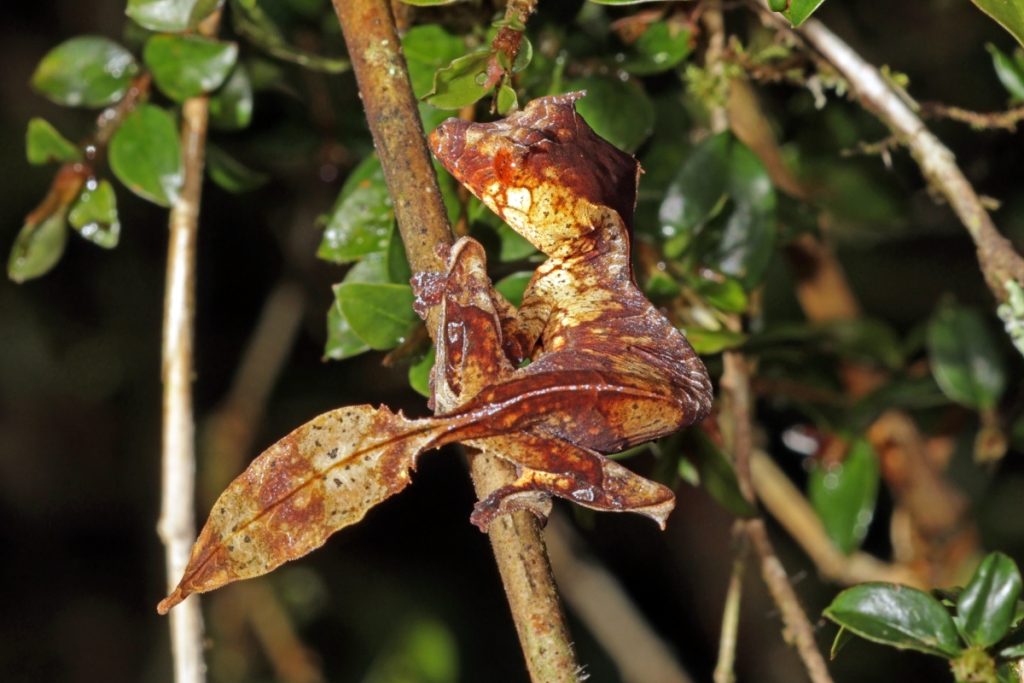
Madagascar Leaf-tailed Gecko (Uroplatus phantasticus)
 Charles J. Sharp / Wikimedia Commons
Also called the “Satanic Leaf-tailed Gecko” due to its eerily effective camouflage and leaf-like tail. This nocturnal gecko originates from the rainforests of Madagascar and is among the most fascinating reptiles in the hobby. It requires a moist, naturally planted terrarium with low lighting and stable temperatures. Handling should be completely avoided, as the animal is very fragile. It is extremely rare in the Danish hobby, but legal to keep with proper documentation and habitat.
![]()
Read also:
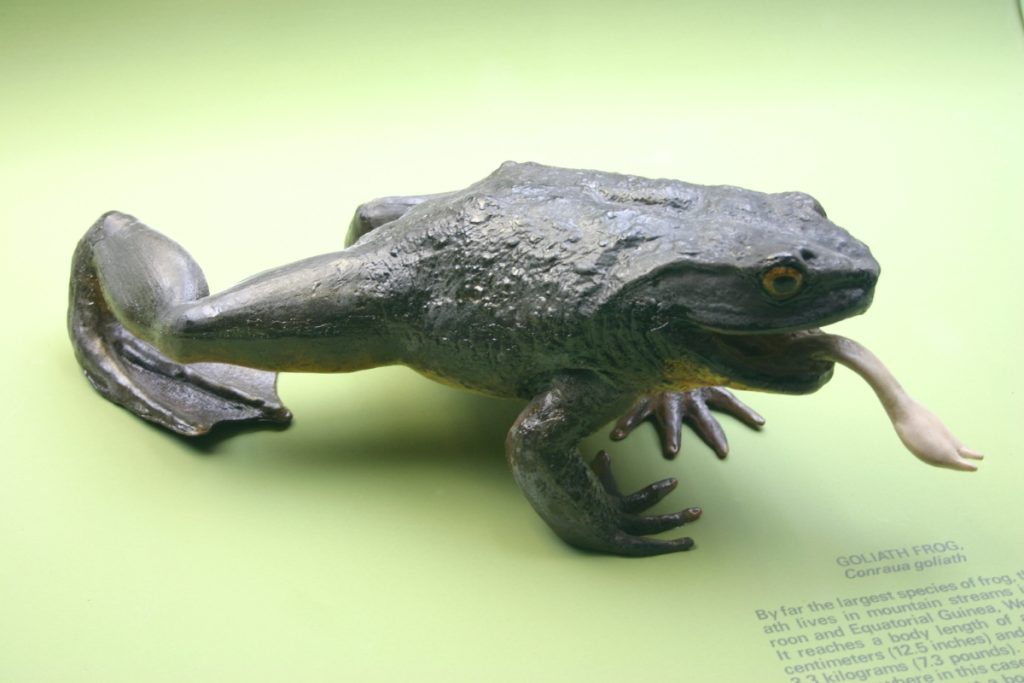
Goliath Frog (Conraua goliath)
 Ryan Somma / Wikimedia Commons
The world’s largest frog is not a reptile but an amphibian – and it is legal in Denmark, although it is extremely rare. Goliath frogs require running cold water, ample space, and a high level of water quality. They do not thrive in warm environments, and their habitat should mimic a mountain river. They are rarely kept in captivity and are suitable only for very experienced hobbyists with access to specialized equipment.
Madagascar Day Gecko – Standing’s Day Gecko (Phelsuma standingi)
 Nigel Voaden / CC-BY-4.0 / Wikimedia Commons
A large, colorful day gecko from southern Madagascar, which is considerably rarer in Denmark than the common smaller day geckos. It has a calm temperament and often becomes more trusting than its species mates. It requires a high-ceilinged, tropical terrarium with ample light, warmth, and high humidity. It tolerates brief handling but is primarily for observation.
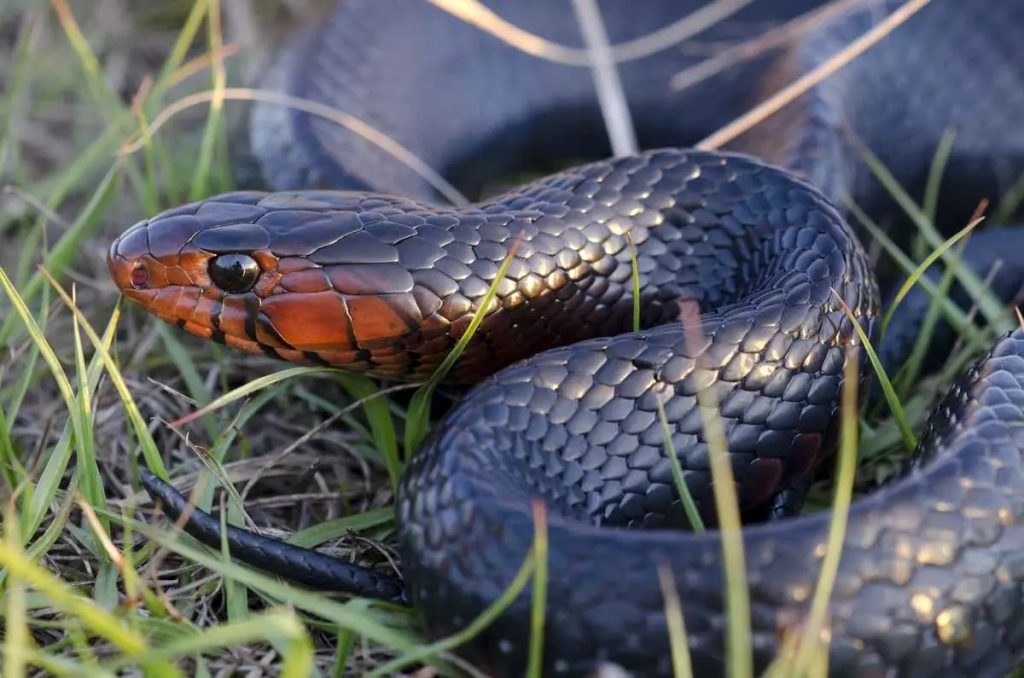
Eastern Indigo Snake (Drymarchon couperi)
 U.S. federal government / Wikimedia Commons
One of the longest non-venomous snakes in the world and very rare in private keeping in Europe. It is active, diurnal, and incredibly beautiful with its shimmering, dark blue color. Requires large space and plenty to explore. Not suitable for beginners, but a dream for the enthusiast with space and experience.
African House Gecko (Hemidactylus platycephalus)
 The Titou / Wikimedia Commons
This rare species is very small and features a flat head and transparent traits. It is found in limited breeding and is known for its ability to adapt to humid environments. Not handleable, but incredibly exciting to observe. A suitable choice for the experienced hobbyist who desires an unusual, yet not too demanding gecko.
Parson’s Chameleon (Calumma parsonii)
 JialiangGao www.peace-on-earth.org / Wikimedia Commons
Parson’s chameleon is among the largest chameleon species in the world and is extremely rare in private keeping—but allowed in Denmark with documented legal breeding. It requires a large, vertical rainforest terrarium with high humidity and careful temperature control. Its color-changing ability and slow movements make it fascinating, but it is suitable only for very dedicated and experienced owners.
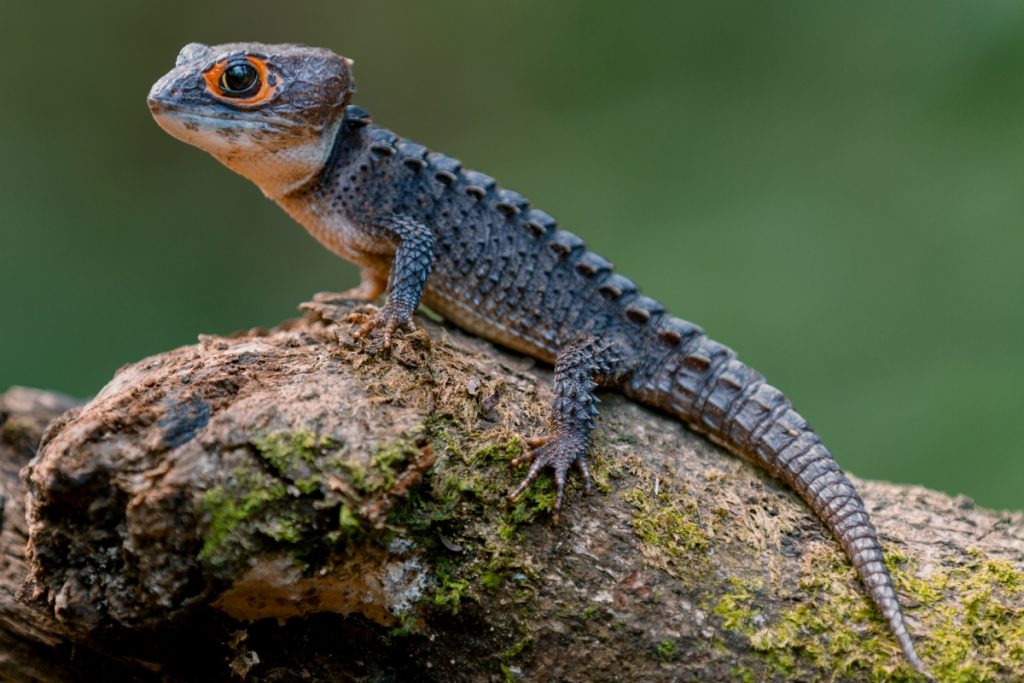
Red-eyed Crocodile Skink (Tribolonotus gracilis)
 Rizki Supendi / Wikimedia Commons
This small, armored lizard has red-orange eyes and a dragon-like appearance. It is nocturnal, often hides, and is an exotic, but shy creature. It is legal in Denmark, though still rare. It requires high humidity and plenty of hiding places in a subtropical terrarium. Not suitable for handling, but perfect for those who love to observe rare animals in natural settings.
Saharan Uromastyx (Uromastyx geyri)
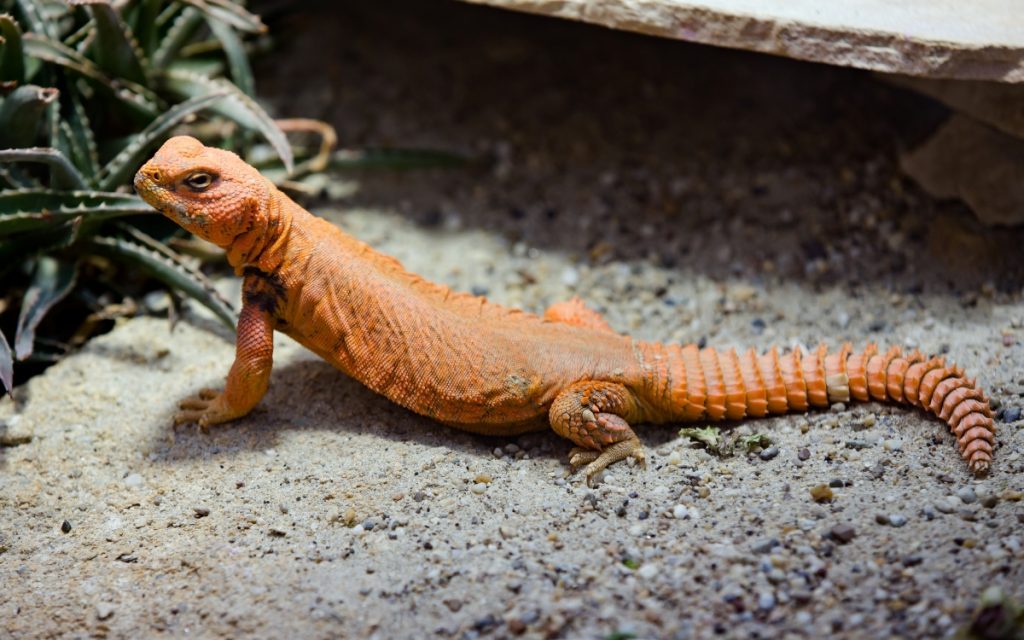 Manfred Werner – Tsui / Wikimedia Commons
This African desert dweller has a robust body and a distinctive spiny tail. Uromastyx species are herbivores, which sets them apart from most other lizards. The Geyri variety is particularly colorful and rare in Denmark. It requires extremely high temperatures, UV light, and a dry environment. When tamed, it can become very docile and enjoy human contact for short periods.
Northern Blue-tongued Skink (Tiliqua scincoides intermedia)
 Stefan3345 / Wikimedia Commons
The blue-tongued skink is well-known, but this specific variant—the northern Australian type—is rarer and more sought after among collectors. It features a larger body and more pronounced coloration. The skink is calm, robust, and easy to handle, making it ideal for intermediate reptile owners. It requires ample space, warmth, and a varied diet.
Vietnamese Mossy Frog (Theloderma corticale)
 Caitlin 0000 / Wikimedia Commons
This camouflage master looks like living moss and is one of the world’s best-hidden amphibians. Although not a classic reptile, it is fully legal in Denmark and rare in the trade. It requires high humidity and a shady, well-planted terrarium. Not suitable for handling, but fantastic for children and adults who love to discover hidden treasures in rainforest environments.
Our team may have used AI to assist in the creation of this content, which has been reviewed by our editors.
![]()
Read also: