Vemira
Top 10: South America’s Most Deadly Creatures
South America is a continent bursting with color, lush rainforests, and fascinating wildlife – but among the beautiful landscapes lurk some of the world’s deadliest creatures. From stealthy predators in the Amazon to venomous critters you barely notice until it’s too late, danger is never far away. Here’s a countdown of the 10 most dangerous and deadly creatures lurking in the South American wilderness.
 Depositphotos
South America is a continent bursting with color, lush rainforests, and fascinating wildlife – but among the beautiful landscapes lurk some of the world’s deadliest creatures. From stealthy predators in the Amazon to venomous critters you barely notice until it’s too late, danger is never far away. Here’s a countdown of the 10 most dangerous and deadly creatures lurking in the South American wilderness.
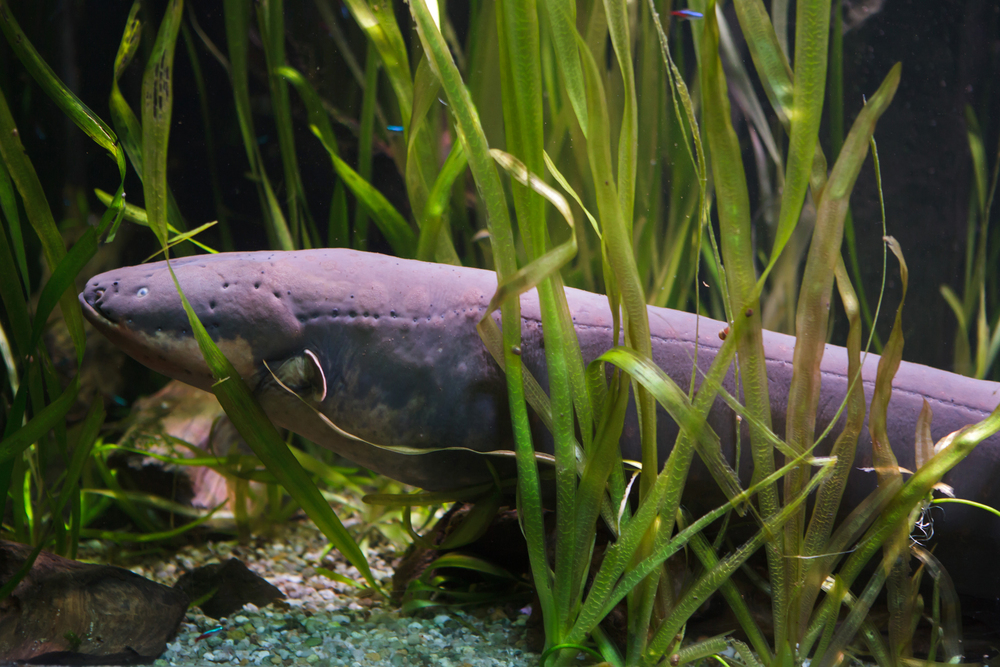
#10: The Electric Eel
 Depositphotos.com
The electric eel isn’t a true eel, but a type of knifefish, and it can unleash shocks of up to 600 volts. Although it rarely kills humans directly, it has been responsible for fatalities — especially when its electric discharge causes paralysis in water, leading to drowning. It primarily inhabits rivers and swamps throughout the Amazon basin.
![]()
Read also:
#9: Giant Anaconda
 Depositphotos
The anaconda is the world’s heaviest snake and can grow up to nine meters long. While it rarely attacks humans, it is capable of strangling and swallowing animals as large as a deer. In extreme cases, it has even attacked humans — making it one of the most formidable predators in South America.
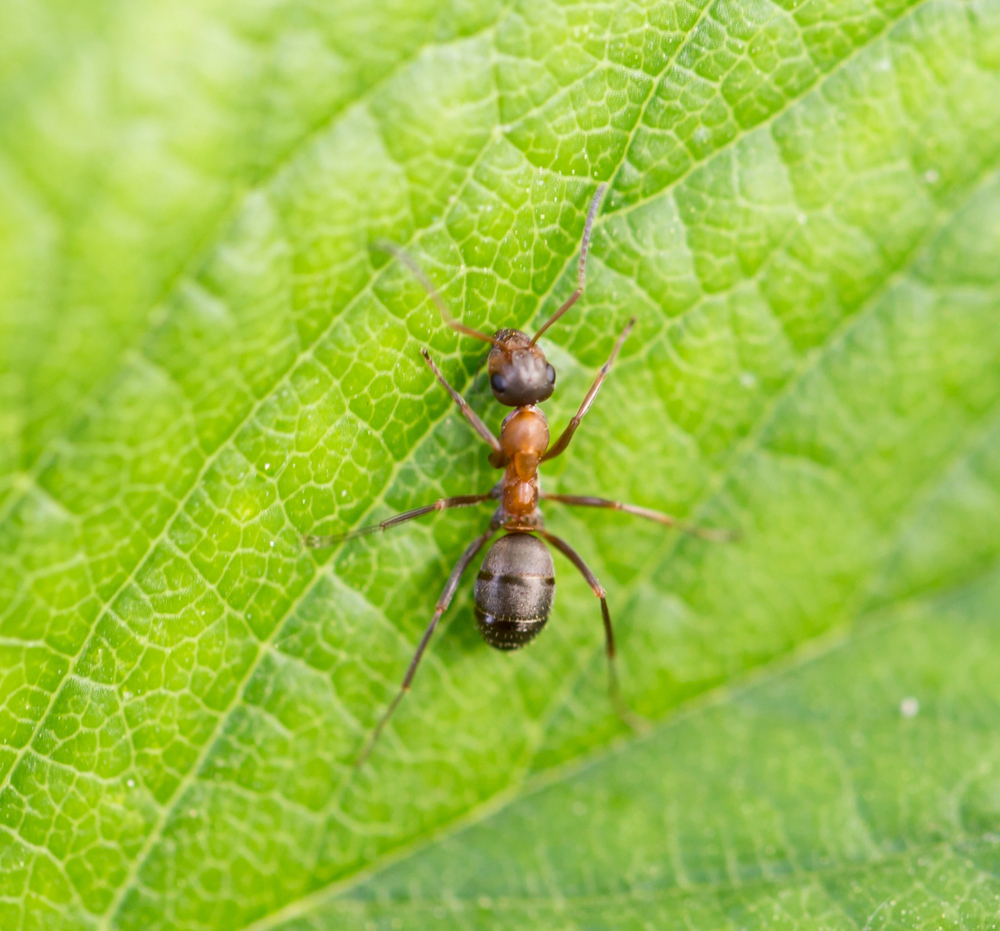
#8: Bullet Ant (Paraponera clavata)
 Depositphotos
The dreaded bullet ant gets its name from the intense pain of its sting — said to feel like a gunshot. While it rarely kills, its venom can cause excruciating pain and temporary paralysis, which — in the chaos of the jungle — can become life-threatening.
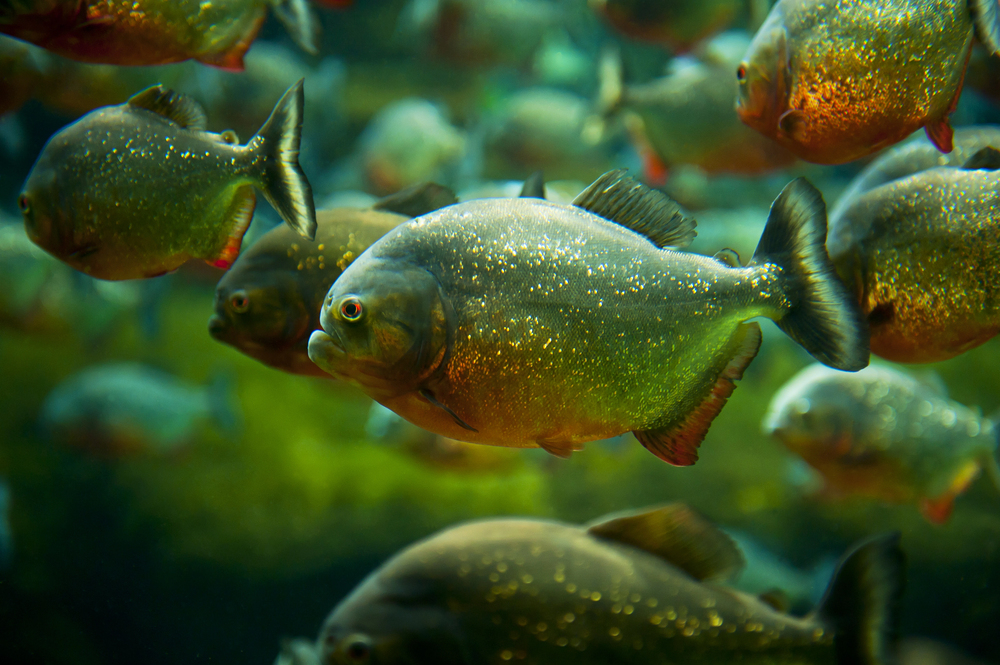
#7: Piranhas
 Depositphotos
Piranhas have a reputation as bloodthirsty predators — and while that reputation is somewhat exaggerated, they can attack with deadly force when gathered in large groups. During droughts, when food is scarce, there have been documented cases of fatal attacks on both humans and animals.
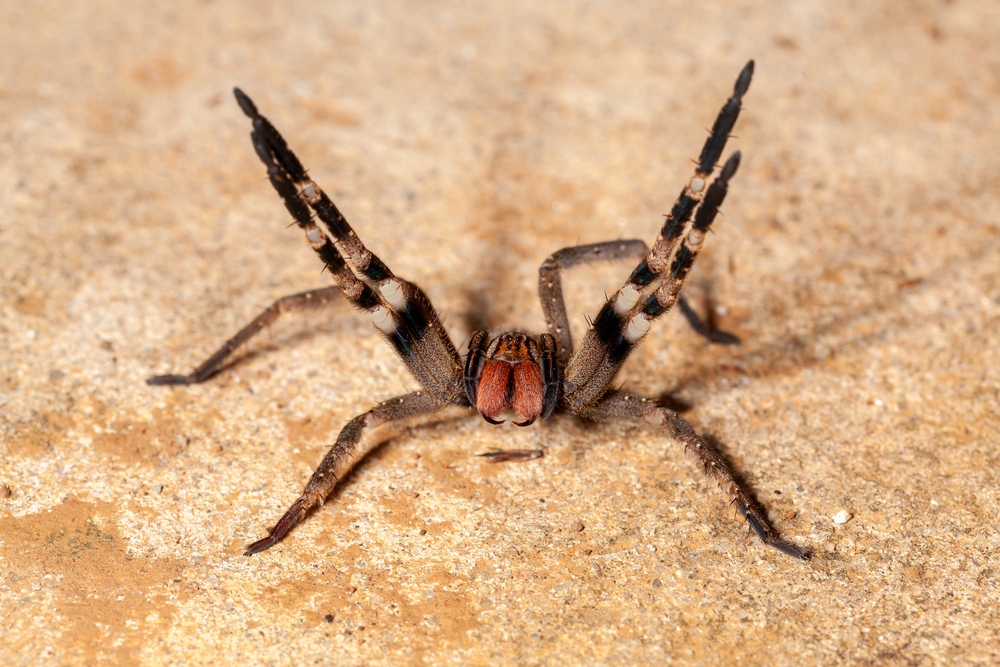
#6: Brazilian Wandering Spider
 Depositphotos.com
Also known as the “banana spider,” this arachnid ranks among the most venomous spiders in the world. It is notorious for its aggressive behavior and potent venom, which can cause muscle spasms, respiratory failure, and — in rare cases — death. It is commonly found in banana plantations and urban environments.
#5: Giant Hippopotamus
 Depositphotos
Although not native to South America, feral populations have established themselves in Colombia after drug lord Pablo Escobar imported them. These animals are highly territorial and aggressive, and have been linked to several fatalities in the region.
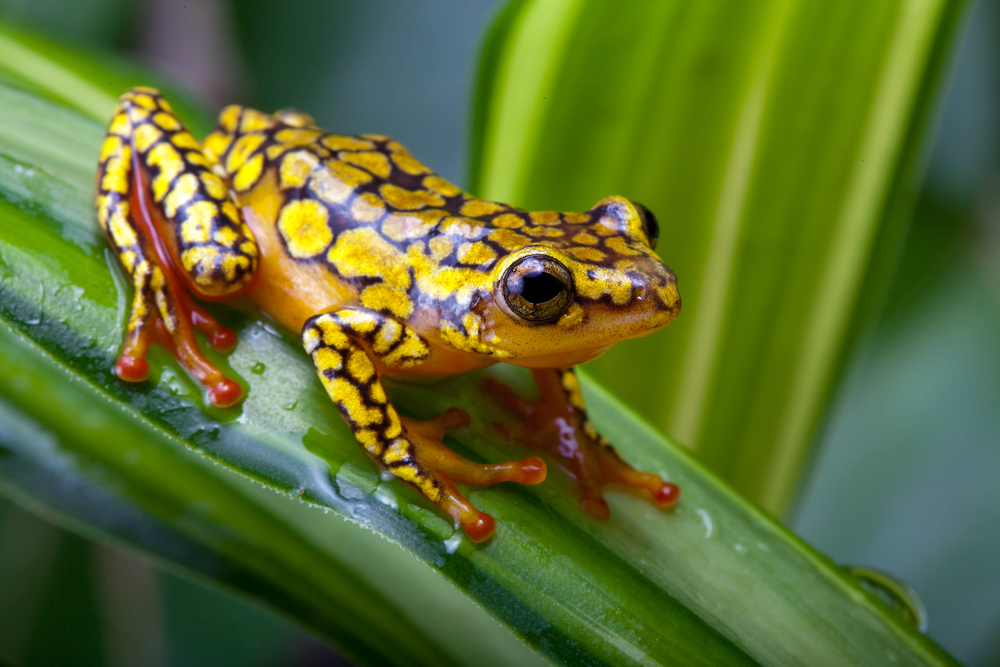
#4: Poison Dart Frogs (Dendrobatidae)
 Depositphotos
The colorful poison dart frogs of South America are small but extremely toxic. Their skin secretes a potent neurotoxin that can paralyze or kill predators — and even humans. Some species carry enough venom to kill up to ten adults if ingested or absorbed through an open wound.
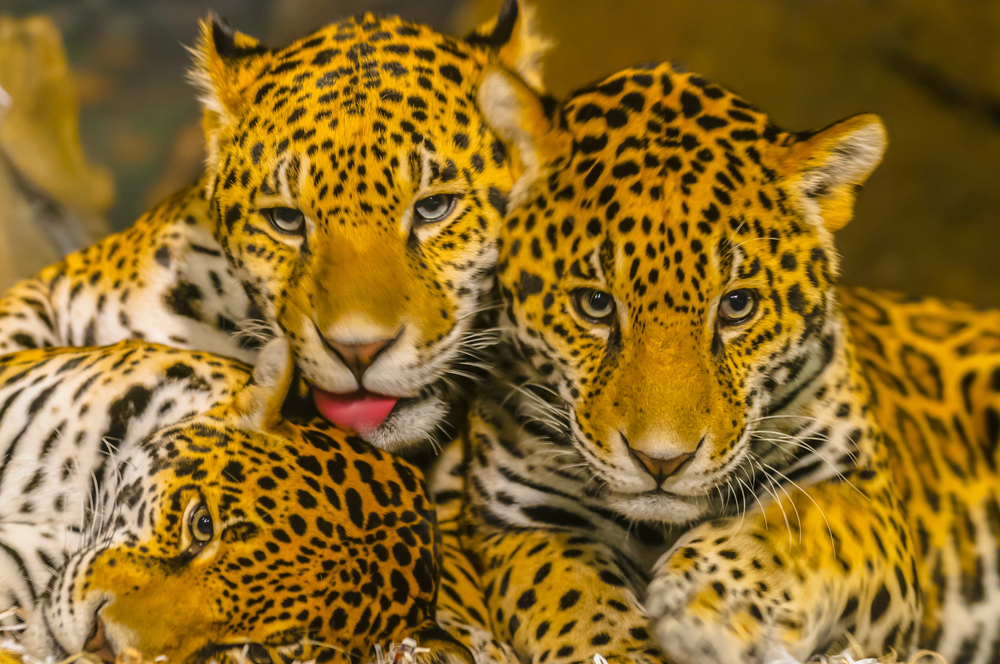
#3: Jaguars
 Depositphotos
The jaguar is South America’s largest cat and a formidable predator. It kills with a powerful bite that pierces directly through the skull of its prey. While attacks on humans are rare, they do occur — especially in remote areas where wildlife is forced closer to human settlements.
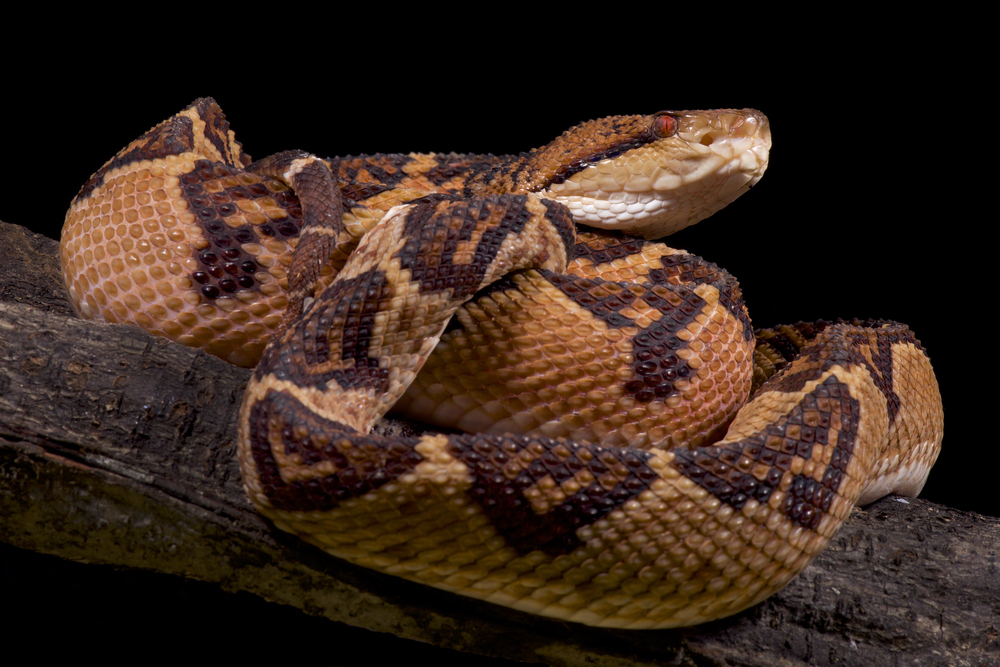
#2: Fer-de-lance (Lachesis muta)
 Depositphotos
This viper is both aggressive and highly venomous. Its bite can cause intense pain, severe tissue necrosis, and — if left untreated — can be fatal. It is responsible for the majority of venomous snakebites in South America, and its natural camouflage makes it nearly invisible on the forest floor.
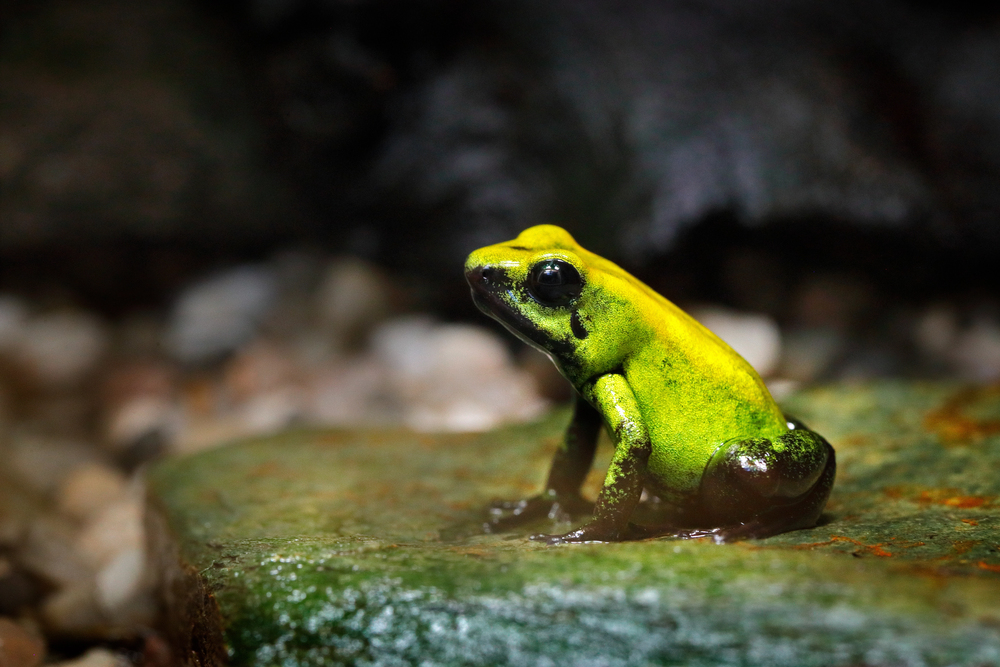
#1: The Golden Poison Frog (Phyllobates terribilis)
 Depositphotos
This tiny frog is no larger than a fingertip, yet it carries the most potent natural toxin known to science. Just one frog contains enough batrachotoxin to kill up to 20 adult humans. For centuries, local tribes have used its poison on blowgun darts — and for good reason: it acts swiftly and has no known antidote.
Our team may have used AI to assist in the creation of this content, which has been reviewed by our editors.
![]()
Read also: