Vemira
Banned Animals: 10 Surprising Species You Can’t Own in These Countries
The world is full of fascinating animals, but not all are welcome everywhere. While some species are cherished as pets in one country, they can be strictly prohibited in another due to health risks, ecological threats, or cultural policies.
The world is full of fascinating animals, but not all are welcome everywhere. While some species are cherished as pets in one country, they can be strictly prohibited in another—whether due to health risks, threats to the ecosystem, or cultural policies. From small rodents to exotic predators and colorful birds, the list of banned animals around the globe is both surprising and thought-provoking. Here is a top 10 list of animals you cannot own, import, or keep in certain countries—and why they are banned.
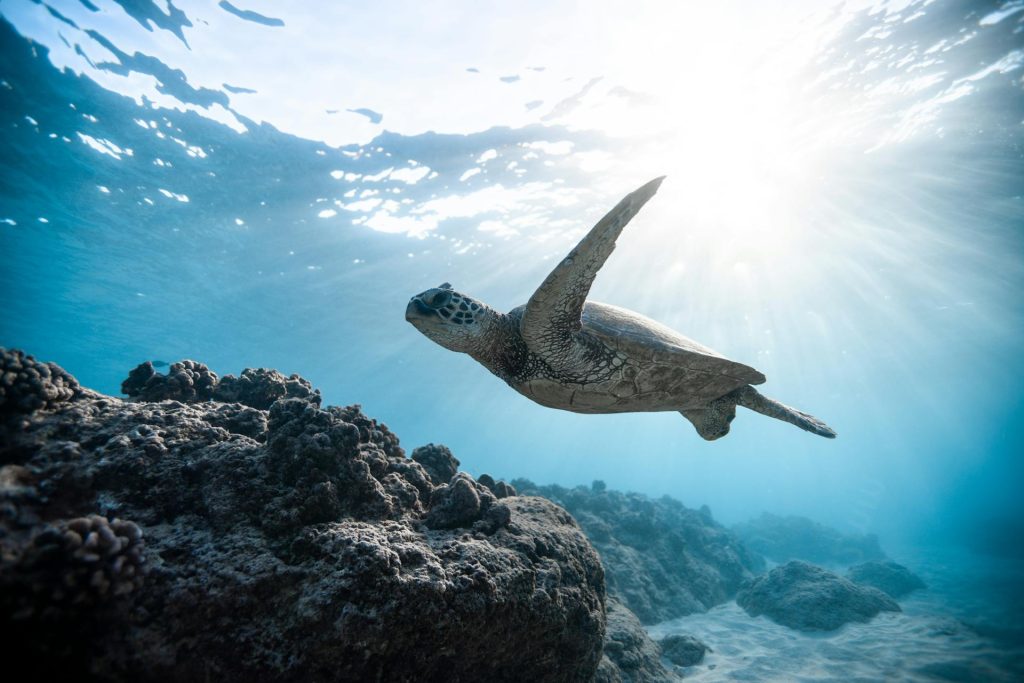
#10: Turtles – USA (Certain Species)
 Pexels
Several turtle species, particularly small red-eared sliders, are prohibited in multiple states across the USA. This is mainly due to salmonella risk and concerns that they could harm local ecosystems if released into the wild.
![]()
Read also:
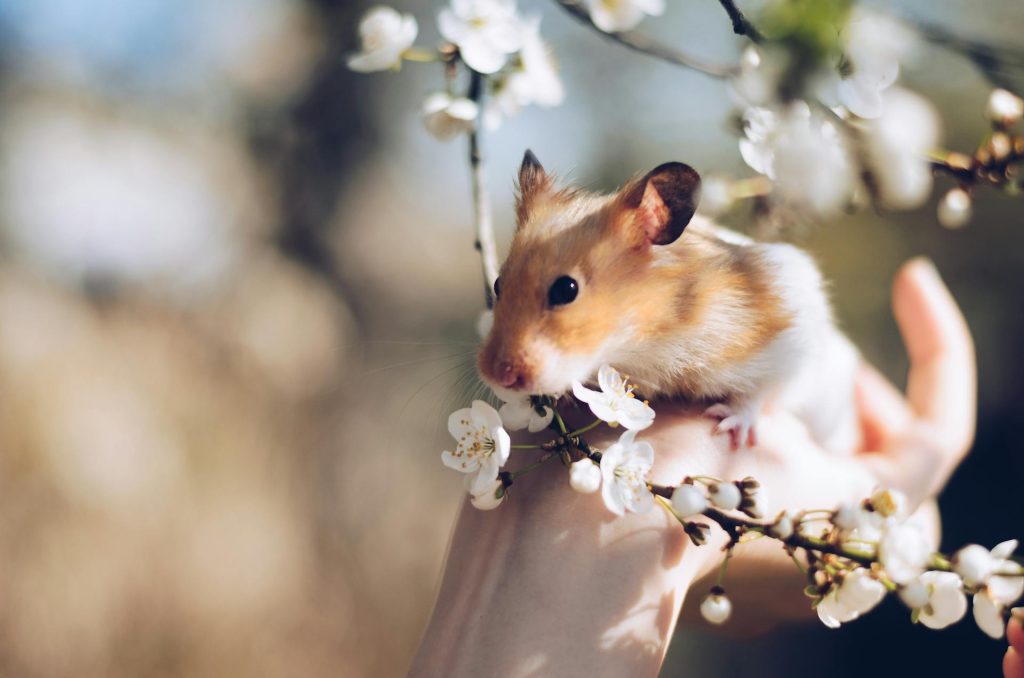
#9: Hamsters – Australia
 Pexels
It may sound incredible, but common pet hamsters are banned in Australia. They are considered an invasive species that could potentially threaten local fauna and flora if they escape into the wild.
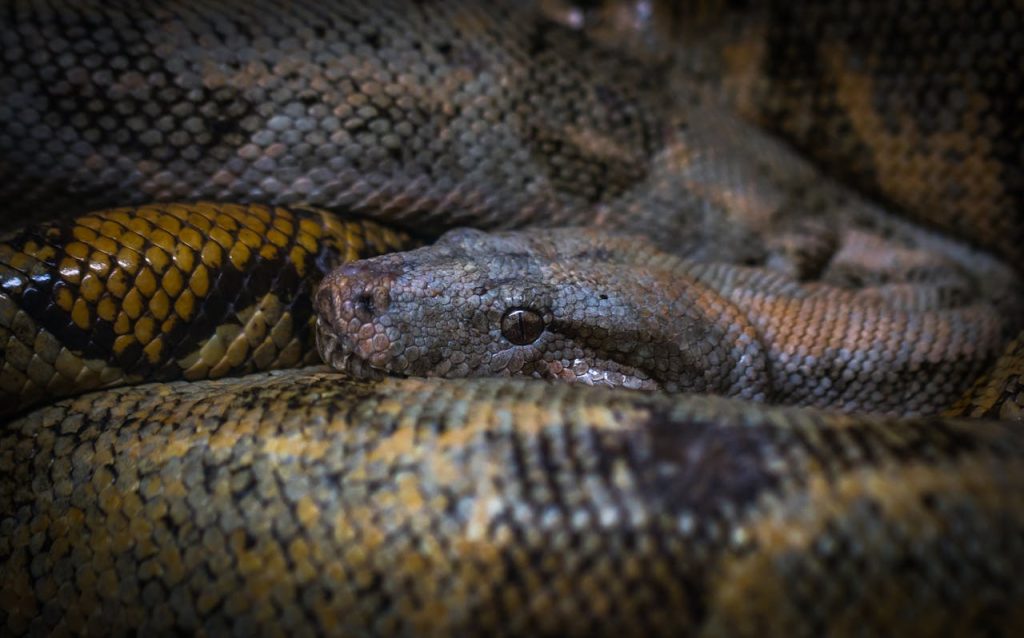
#8: Snakes – Ireland
 Pexels
Ireland has virtually no snakes in the wild—and they aim to keep it that way. Thus, owning many snake species as pets is prohibited, primarily due to concerns for safety and ecological balance.
#7: Ferrets – New Zealand
 Pexels
Ferrets are banned in New Zealand because they can have a devastating impact on the country’s unique wildlife. They are known for preying on native bird species, which have no natural defenses against predators.
#6: Dogs (Certain Breeds) – UK and Many Other Countries
 Depositphotos
In the UK, certain dog breeds such as Pit Bull Terriers and Dogo Argentinos are banned under the Dangerous Dogs Act. The law aims to protect the public from aggressive breeds deemed dangerous.
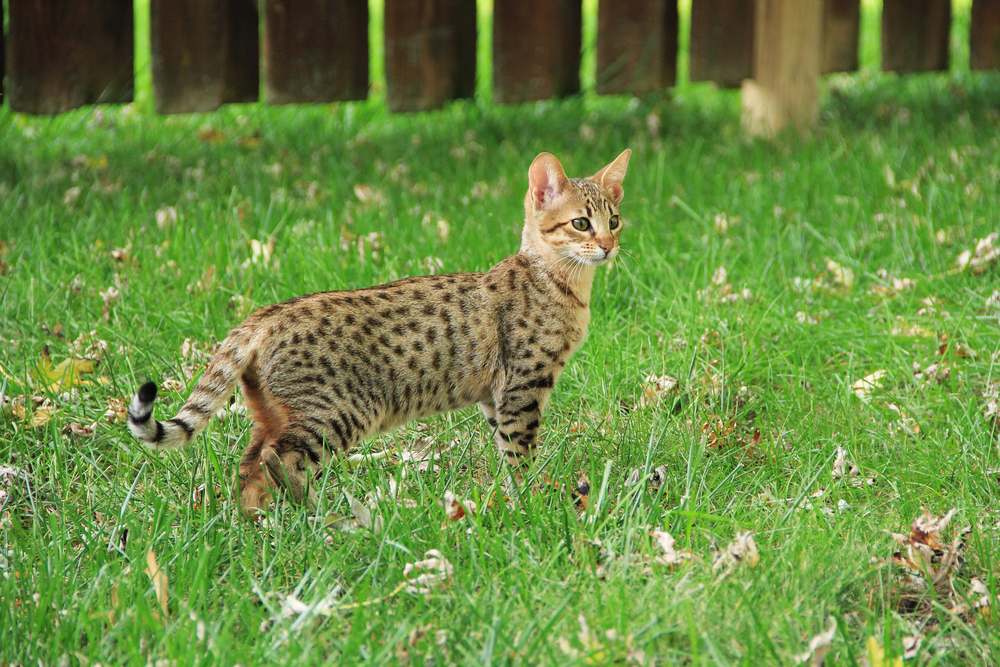
#5: Savannah Cats – Australia
 Depositphotos
Savannah cats, a cross between a domestic cat and a serval (wildcat), are prohibited in Australia. Authorities fear their size and hunting instincts could threaten smaller native animals.
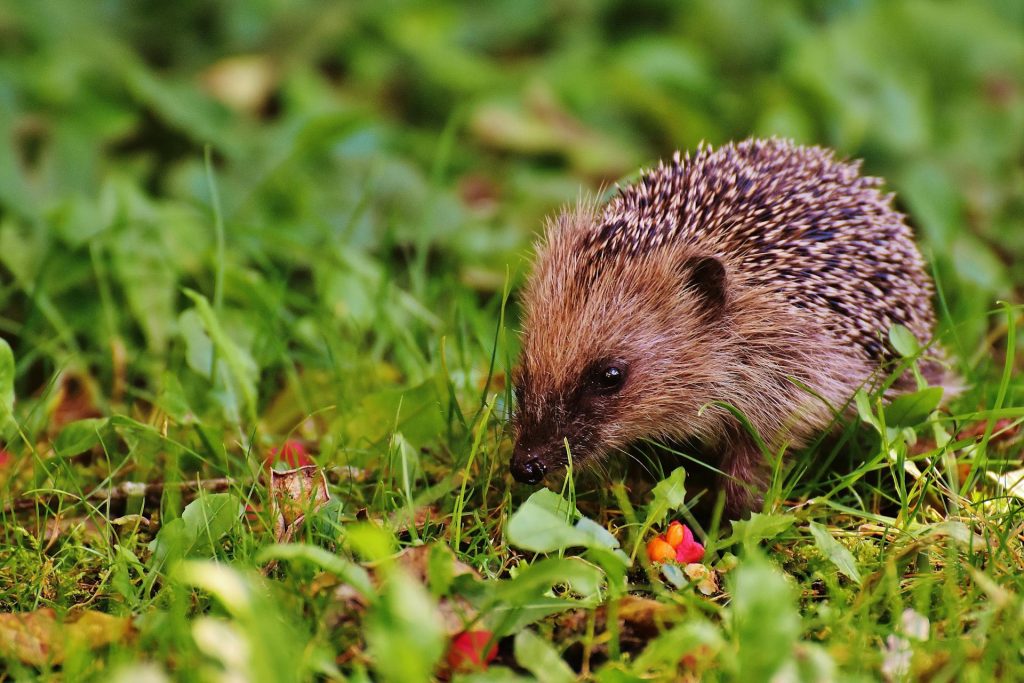
#4: Hedgehogs – California, USA
 Pexels
In the state of California, hedgehogs are actually illegal as pets. This is due to both concerns for their well-being and the risk they may escape and negatively impact the ecosystem.
#3: Partridges and Certain Bird Species – Japan
 Pexels
Several bird species, especially those capable of carrying avian flu or other diseases, are banned in Japan. The country has strict quarantine regulations to protect its food production and animal health.
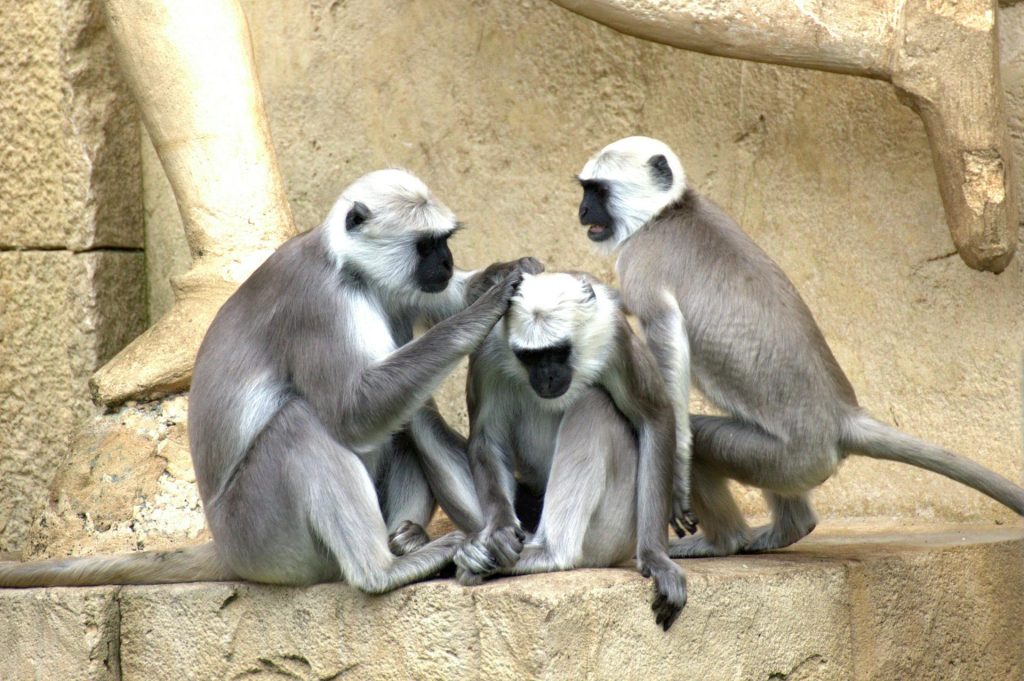
#2: Monkeys – Canada
 Pexels
Although some smaller monkeys were once popular pets in Canada, they are now banned in several provinces. This is due to their need for complex social structures and risk of disease transmission.
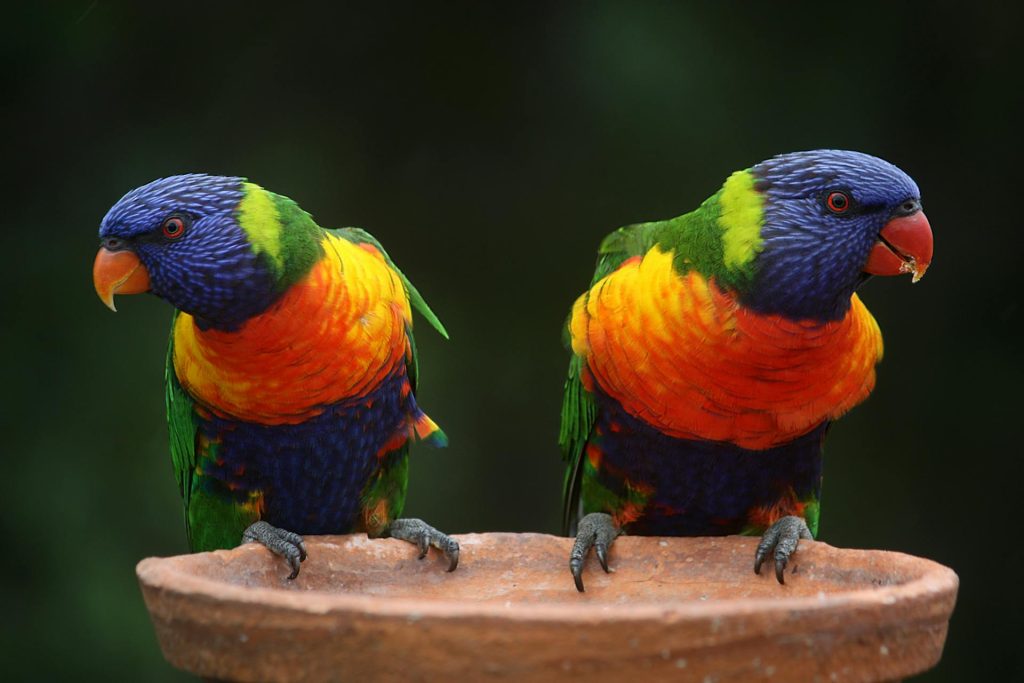
#1: Parrots and Exotic Birds – Saudi Arabia
 Pexels
In Saudi Arabia, there was a period when certain parrots and exotic birds were banned—not due to disease, but due to a wave of ostentatious animals seen as symbols of excess and decadence. Authorities wanted to send a message of moderation and tradition.
Our team may have used AI to assist in the creation of this content, which has been reviewed by our editors.
![]()
Read also: