Gallery
Top 10 Tips for Training Older Dogs – Ensuring a Healthy and Active Life for Your Senior Dog
Just because your dog has some grey in its coat doesn’t mean training is out of the question. On the contrary, training can be a fantastic way to keep your senior dog physically and mentally engaged—while strengthening your relationship. Here are 10 proven tips on how to train your older dog in a safe, fun, and effective manner.
 Depositphotos
Just because your dog has some grey in its coat doesn’t mean training is out of the question. On the contrary, training can be a fantastic way to keep your senior dog physically and mentally engaged—while strengthening your relationship. Here are 10 proven tips on how to train your older dog in a safe, fun, and effective manner.
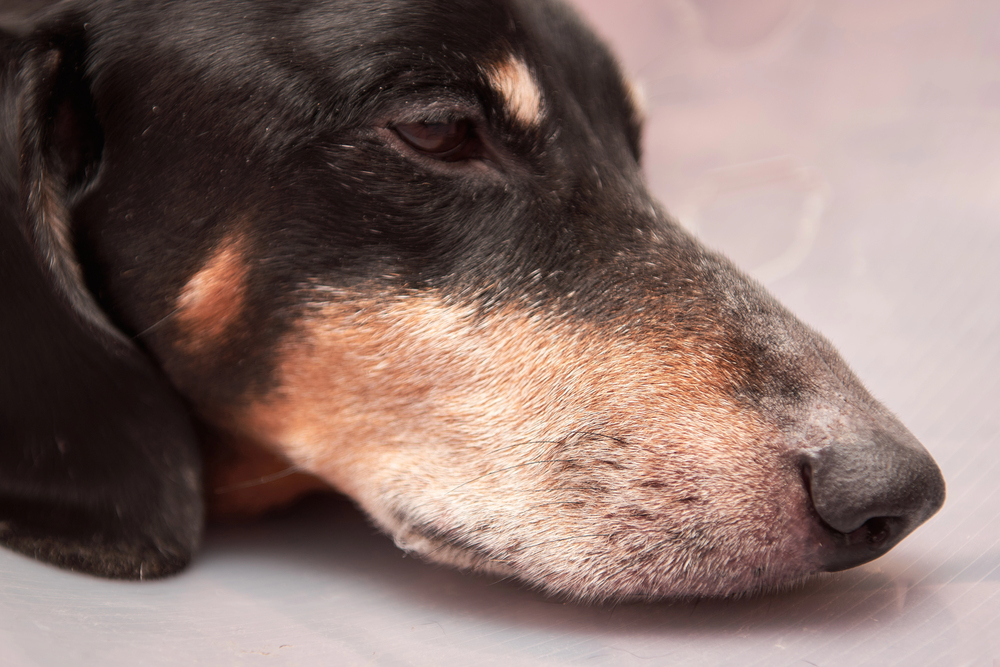
Know Your Dog’s Health Condition
 Depositphotos
Before starting the training, it’s important to know your dog’s physical capabilities. Schedule a health check-up with the vet—especially if your dog shows signs of arthritis, fatigue, or decreased vision or hearing. This allows you to tailor the training in a gentle and safe way.
![]()
Read also:
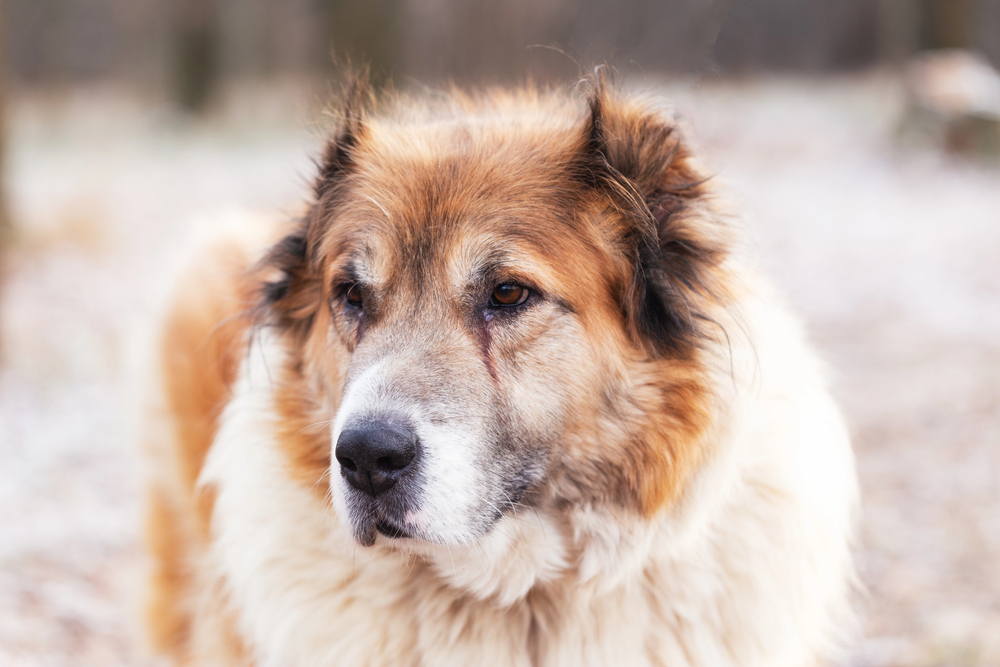
Short, Frequent Sessions are Best
 Depositphotos
Senior dogs often have less energy and shorter attention spans. Keep the training sessions short—5-10 minutes at a time is plenty. It’s better to repeat in small doses throughout the day than to push too much at once.
Choose Gentle Exercises
 Depositphotos
Avoid exercises that involve jumping and heavy physical strain. Focus instead on nose work, search games, and light tricks that stimulate without wearing out the body. This keeps both the mind and body active—in a safe way.
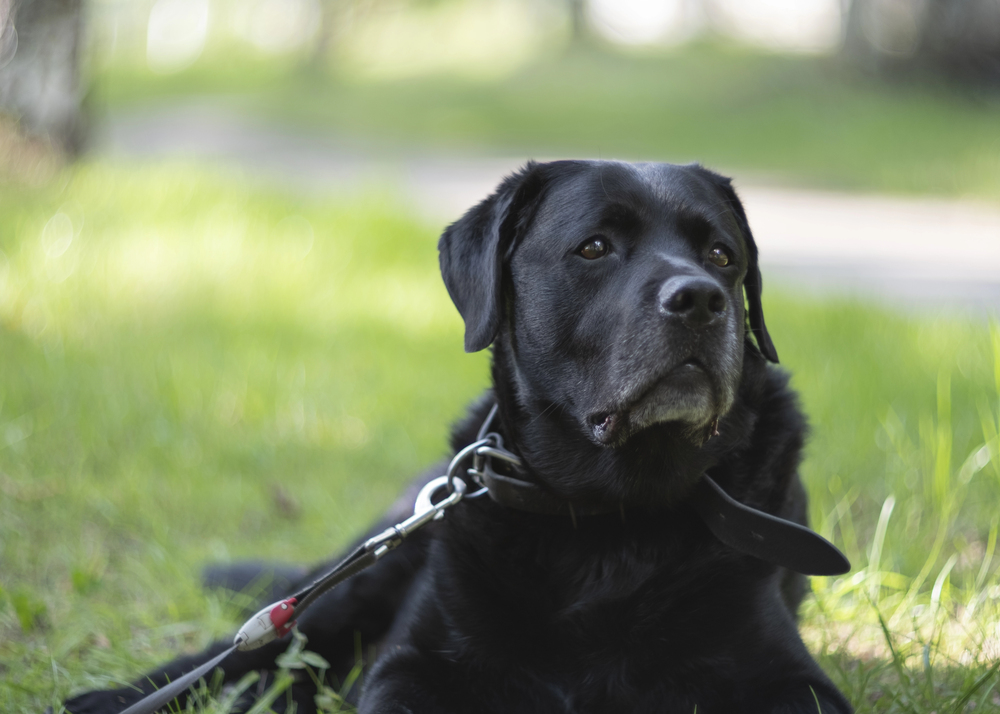
Reward Generously
 Depositphotos
Older dogs may need a little extra motivation. Use delicious treats and plenty of praise. A clear, positive reward reinforces learning and makes training a good experience for your dog.
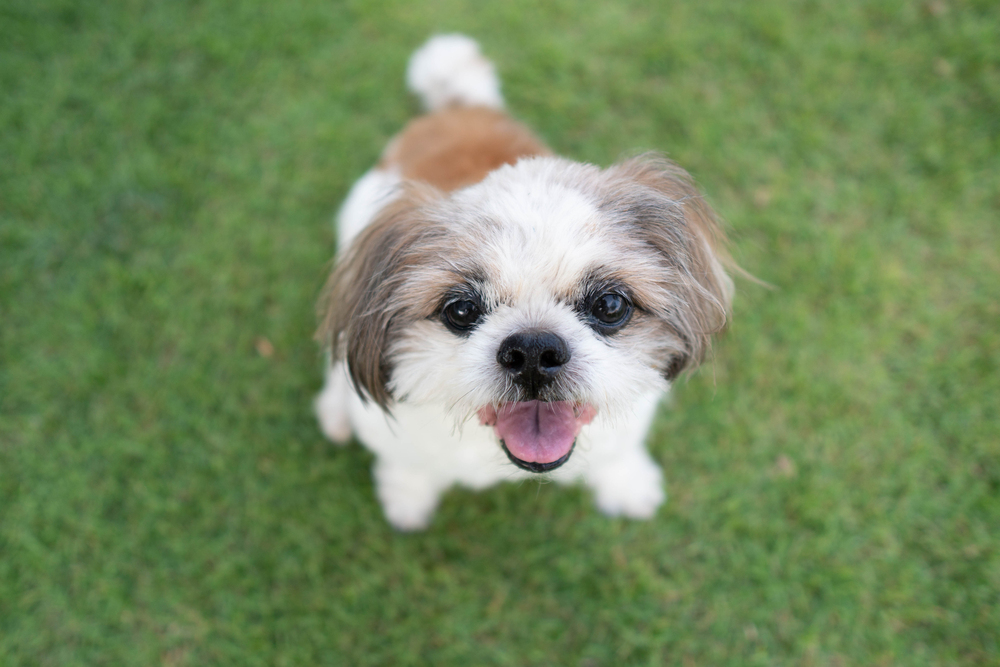
Be Patient and Clear
 Depositphotos
Learning can take a bit longer with older dogs. Be patient, use clear signals, and calmly repeat the exercises. Be consistent but kind—this builds security and trust.
Remember Mental Stimulation
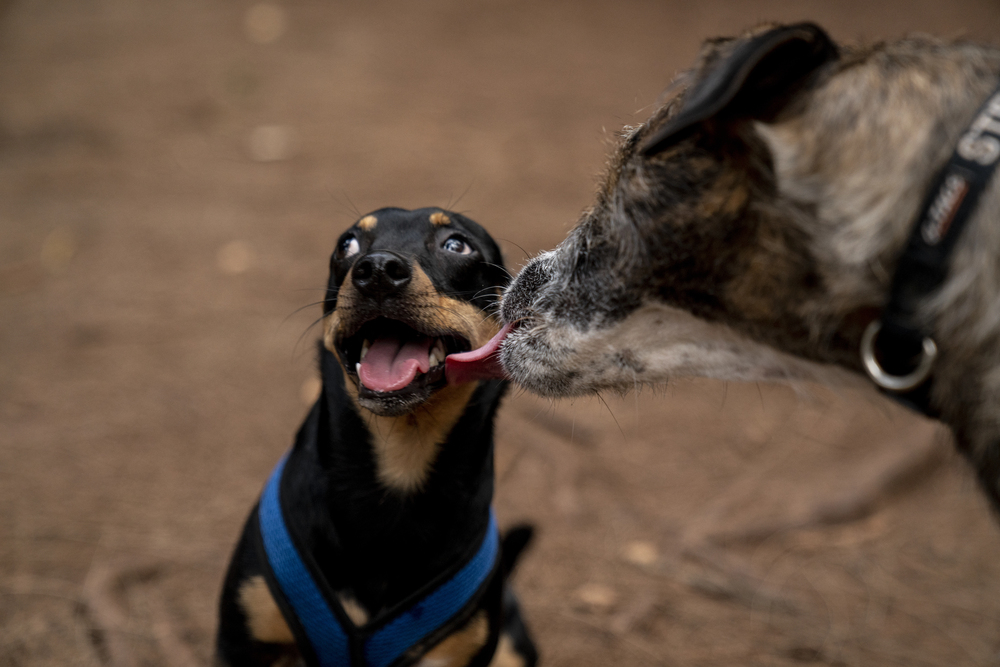 Depositphotos
Training isn’t just about the body—the mind needs to be engaged too. Scent mats, puzzle games, and small mental challenges are fantastic for keeping your dog sharp and engaged.
Adjust for Reduced Senses
 Depositphotos
Older dogs can have reduced vision or hearing. Therefore, use clear hand signals, slow movements, and scent-based activities. This makes training easier to understand—and more fun for your dog.
Create Security with Routine
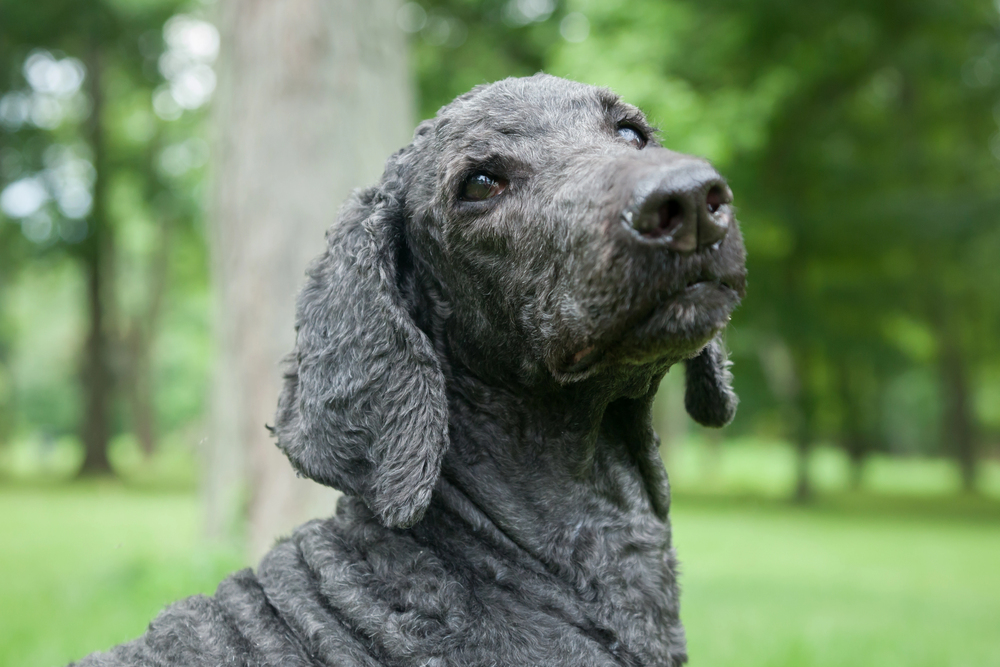 Depositphotos
Senior dogs thrive on structure. Set times for training, meals, and walks make the daily routine more manageable and secure. Use familiar environments and repetitions to your advantage.
Listen to Your Dog’s Signals
 Depositphotos
Be attentive to signs of fatigue such as slow movements, reluctance, or restlessness. Stop the training in good time and allow for breaks. The most important thing is that your dog feels good and finds it enjoyable.
Create Positive Experiences Together
 Depositphotos
The most important advice: Make training cozy and meaningful. Create a positive atmosphere with contact, play, and loving words. When your dog associates training with joy, it strengthens both the bond between you and your dog’s quality of life.
Our team may have used AI to assist in the creation of this content, which has been reviewed by our editors.
![]()
Read also: